ESP 16%
 FRA 12%
 ARG 12%
 BRA 11%
 ENG 10%


Switzerland reached the World Cup 2026 quarter-finals from FIFA #19 and 1% title odds before finalists Argentina ended their run with a 1-1 last-eight tie.
Switzerland went as far as the quarter-finals at World Cup 2026, and no further: their run ended in the last eight when Argentina edged a 1-1 tie to advance. For a side ranked FIFA #19 and given just a 1% chance of lifting the trophy, that is an unambiguous overachievement, and it was earned the hard way through clean sheets and a penalty shootout rather than through any flood of goals.
The headline number tells the story of the ceiling. Switzerland topped Group B on 7 points with a goal difference of +4, then navigated two knockout rounds while conceding only once, before running into one of the tournament's two finalists. No Swiss player troubled the top of the scoring charts, where Kylian Mbappe's 10 led the way; this was a run defined by organisation, not individual brilliance.
That the side which eliminated Switzerland went on to reach the final, beating England 2-1 in the semi-final, puts the exit in its proper context. Switzerland did not collapse or get embarrassed. They were beaten by fine margins at the quarter-final stage by a heavyweight, which is roughly the outcome their resources and ranking predicted at their very best.
Ad
How did Switzerland reach the quarter-finals?
It started with control of Group B. Switzerland finished top on 7 points and a +4 goal difference, clear of Canada and Bosnia and Herzegovina on 4 and a distant Qatar on 1. Winning the group rather than scrambling through as a runner-up or third-placed side shaped a kinder knockout route and reflected the consistency that has long made the Swiss awkward tournament opponents.
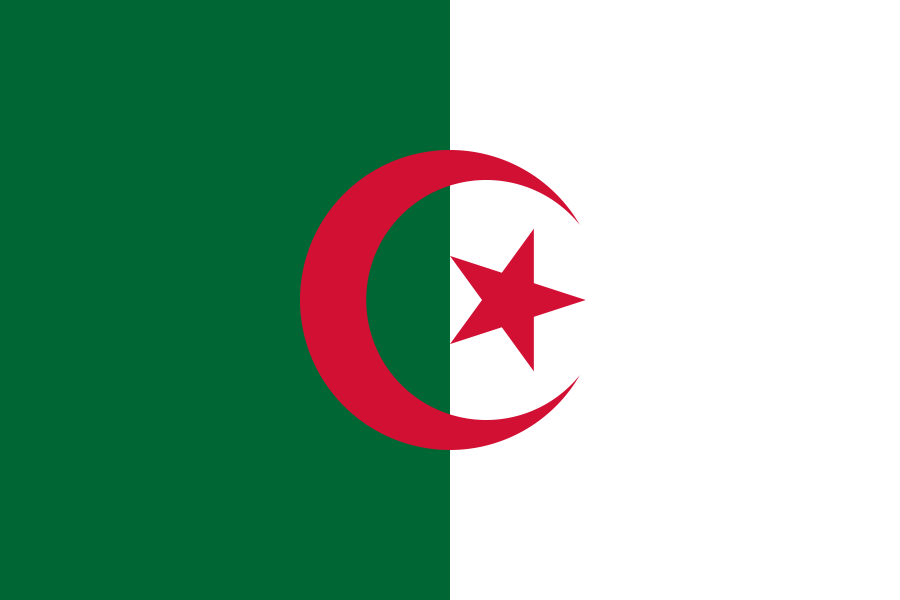
In the round of 32, Switzerland produced one of their most convincing performances, a 2-0 win over Algeria that shut the Desert Foxes out entirely. It was a template they would return to: control the game, concede nothing, and take the chances that came. Algeria, a side with genuine pace and flair, never found a way through.
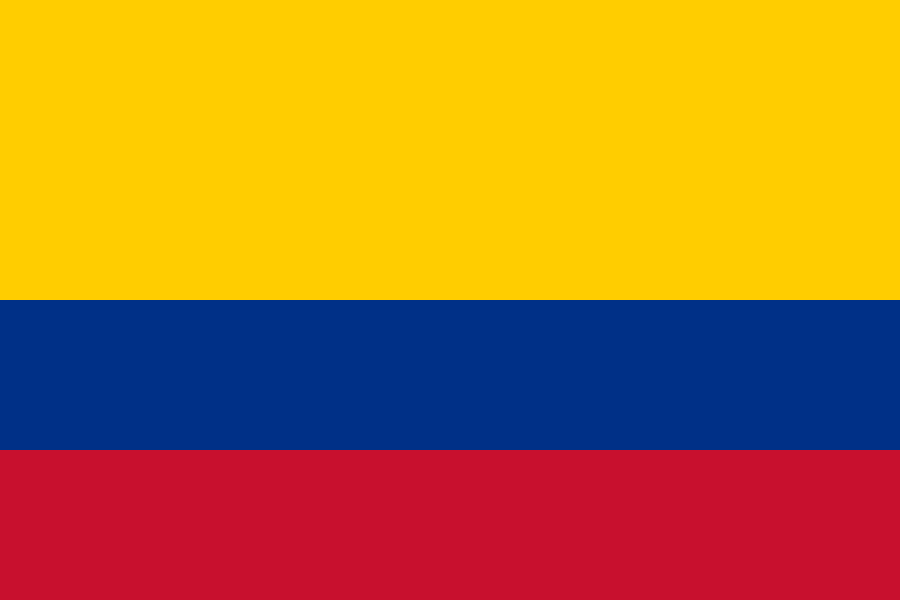
The round of 16 asked a far harder question. Colombia, ranked FIFA #13 and carrying serious attacking talent, held Switzerland to a 0-0 draw across normal time. The Swiss did not blink. They won the penalty shootout 4-3, their goalkeeper and takers holding their nerve where Colombia's did not. Two knockout ties, two clean sheets, and a place in the last eight secured without conceding a single goal.
The quarter-final exit to Argentina
The quarter-final is where the run met its limit. Argentina and Switzerland could not be separated at 1-1, and it was Argentina who went through to the semi-finals. After 180-plus minutes of knockout football without conceding, Switzerland finally shipped a goal at the worst possible moment, against the one opponent least likely to let a lead slip.
There is no shame in the manner of it. Argentina, FIFA #3 and a 12% title pick, carried the pedigree of reigning champions and the goals of Lionel Messi, who finished the tournament with 8. To take them to the wire in a 1-1 tie, rather than being swept aside, was entirely in keeping with how Switzerland had played throughout: compact, patient and difficult to break down.
Argentina's subsequent progress validated the performance. They beat England 2-1 in the semi-final and reached a goalless final against Spain. In other words, the team that ended Switzerland's World Cup was one of the best two sides in the competition. Few of the fallen giants, from Brazil to Germany to France, can say their conquerors travelled as far.
Who were Switzerland's key players?
With no Swiss name among the top scorers, this was not a run carried by a talisman, and that is precisely the point. Captain Granit Xhaka was the metronome, dictating tempo and shielding the back four in exactly the sort of low-event, high-control games that suited Switzerland. His experience set the rhythm for a side that rarely panicked, even at 0-0 against Colombia.
Defensively, Manuel Akanji anchored a unit that conceded only once across three knockout matches. The back line's discipline turned tight ties into winnable ones: keep the game at 0-0 or 2-0, and Switzerland's organisation did the rest. The clean sheets against Algeria and Colombia were collective achievements built on that spine.
The goalkeeper deserves his own mention. In a tournament increasingly decided by shootouts, Switzerland's number one was decisive in the 4-3 win over Colombia, the single moment that separated a quarter-final run from a round-of-16 exit. Up front, the Swiss lacked a prolific finisher, which ultimately capped how far they could push, but their forwards did enough, taking the chances that mattered in the 2-0 defeat of Algeria.
Why defence, not goals, defined the Swiss run
Switzerland's 2026 was a case study in winning without scoring heavily. Their group goal difference was a modest +4, and in the knockouts they managed 2-0, 0-0 and 1-1. Only against Algeria did they score more than once. The identity was clear: deny the opposition, trust the structure, and take your chances in open play or from the spot.
That approach is why Switzerland kept beating sides rated above them on the market. Colombia were a 2% title pick to Switzerland's 1%, yet could not break the Swiss down over 90 minutes. Algeria, at 0.4%, were dispatched cleanly. The wall only came against Argentina's 12%, the level at which organisation alone is no longer enough and you need a game-changer of your own.
The chart below shows the title odds of each team Switzerland faced in the knockouts. It illustrates the point neatly: the Swiss cleared every hurdle priced below Argentina, and fell only to the side carrying genuine favourite status.
How far could Switzerland really have gone?
Realistically, the quarter-final was close to the Swiss ceiling. A side without a top-ten scorer, built on control rather than firepower, needs tight games and penalty shootouts to go deep, and Switzerland got both as far as the last eight. To reach a semi-final, they would have needed to win another coin-flip tie against elite opposition, and against Argentina the margins finally tipped the other way.
That is not a criticism so much as a definition of the level. The semi-finalists were England, Argentina, France and Spain, sides ranked FIFA #4, #3, #1 and #2 respectively. Breaking into that company from #19, with 1% title odds, would have required a genuine shock. Switzerland's run already outstripped bigger names: Brazil, Germany, the Netherlands and Portugal all exited earlier in the knockout bracket.
The verdict, then, is straightforward. Switzerland maximised a squad without a superstar, won the games they were supposed to and pushed one of the finalists to the wire. Against the eventual Spain-Argentina final, the Swiss were never likely to be the story. But as a measure of consistency, resilience and knowing exactly what they are, the quarter-final run stands as one of the better overachievements of World Cup 2026.
Frequently asked
How far did Switzerland go at World Cup 2026?
Switzerland reached the quarter-finals before losing a 1-1 tie to Argentina. It was a strong return for a side ranked FIFA #19 and priced at just 1% to win the tournament.
Who knocked Switzerland out of World Cup 2026?
Argentina eliminated Switzerland in the quarter-finals, advancing after a 1-1 tie. Argentina then beat England 2-1 in the semi-final and reached the final against Spain.
How did Switzerland beat Colombia at World Cup 2026?
Switzerland beat Colombia 4-3 on penalties in the round of 16 after a 0-0 draw. It was their second clean sheet of the knockouts following a 2-0 win over Algeria.
Who were Switzerland's key players at World Cup 2026?
Captain Granit Xhaka controlled midfield while Manuel Akanji anchored a back line that conceded just once before the quarter-final. The goalkeeper proved decisive in the shootout win over Colombia.
Was Switzerland's 2026 World Cup a success?
Yes. From FIFA #19 and 1% title odds, reaching the last eight and only going out to finalists Argentina rates as a clear overachievement for the Swiss.