ESP 16%
 FRA 12%
 ARG 12%
 BRA 11%
 ENG 10%
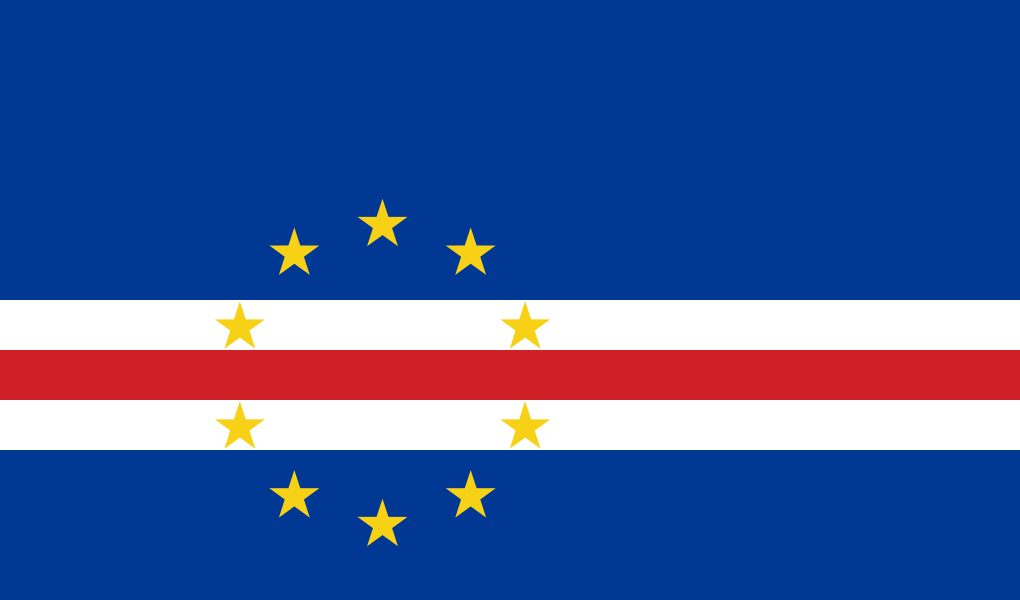

Cape Verde reached the World Cup 2026 last 32 on their debut, finishing second in Group H before Argentina edged them out. Here is their run and key men.
Cape Verde went further at World Cup 2026 than almost anyone predicted, reaching the Round of 32 on their tournament debut before Argentina edged them out. The Blue Sharks, ranked FIFA #69 and handed pre-tournament title odds of just 0.1%, finished second in a Group H containing Euro 2024 winners Spain and two-time world champions Uruguay, then pushed Argentina to a 1-1 draw in the last 32 before the eventual finalists advanced.
For a nation of roughly half a million people, that journey rewrote the script. Cape Verde arrived in North America as one of the smallest and lowest-ranked teams in the 48-side field, a debutant whose qualification alone was already a landmark. They left having outlasted a Uruguay side built around Marcelo Bielsa's intensity and a Saudi Arabia team that famously toppled Argentina back in 2022.
This is the story of how Cape Verde reached the knockouts, who carried them there, and exactly how far the run stretched before it ended.
Ad
How did Cape Verde reach the World Cup 2026 knockouts?
Cape Verde qualified from Group H as runners-up, collecting three points with a goal difference of zero. That was enough to finish clear of both Uruguay and Saudi Arabia, who ended level on two points apiece, while Spain cruised to top spot on seven points with a +5 goal difference.
The margins were slim but decisive. In a pool where the three chasing sides were separated by a single point, Cape Verde's level goal difference and that extra point proved the difference between a historic last-32 place and an early flight home. For a debutant drawn alongside the world's second-ranked team, converting a tight group into qualification was a serious achievement.
Crucially, Cape Verde did not fold under the weight of their surroundings. Finishing above Uruguay, FIFA #17, and Saudi Arabia, both nations with far deeper World Cup pedigrees, told you this was no fluke of a soft draw. It was a group of giants, and the smallest side in it came out second.
That second-place finish set up a Round of 32 meeting with Argentina, the reigning champions and one of the pre-tournament favourites at 12% title odds. For a team making its World Cup bow, few opponents could have been more daunting.
How far did Cape Verde go at World Cup 2026?
Cape Verde's run ended in the Round of 32, where they held Argentina to a 1-1 draw before the reigning champions survived to advance. It was as close as a debutant could come to the shock of the tournament, and it pitted Cape Verde against the side that would ultimately reach the final.
The scoreline alone speaks to how organised and brave Cape Verde were on the biggest stage of their history. Drawing level with an Argentina team led by Lionel Messi, who finished the tournament with eight goals, was never going to be comfortable, yet the Blue Sharks refused to be overwhelmed. They made the champions work for every yard.
Argentina went on to win their quarter-final against Switzerland and beat England 2-1 in the semi-final before a goalless final with Spain. In other words, the team that eliminated Cape Verde was the strongest Cape Verde could possibly have drawn, which casts their last-32 exit in a far kinder light than the raw result suggests.
There was no shame in going out to the finalists. For a nation appearing at its first World Cup, reaching the knockout rounds and then taking the reigning champions to the wire was a ceiling few neutrals thought possible when the groups were drawn.
Who were Cape Verde's key players?
Cape Verde's run was built on the collective rather than a single talisman. Tellingly, no Cape Verde player appears in World Cup 2026's top 10 scorers, a list headed by Kylian Mbappe on 10 and featuring Messi, Erling Haaland and Jude Bellingham. The Blue Sharks did not rely on one marquee name to carry them.
Instead, their platform was defensive. Cape Verde emerged from Group H with a level goal difference, a mark of discipline and structure against attacking talent like Spain's, and that same resilience was on show as they contained Argentina to a single goal in the last 32. Holding firm against sides of that calibre demands a well-drilled back line and a goalkeeper in form.
The goalkeeping and rearguard were the spine of this campaign. A team ranked FIFA #69 does not frustrate Spain, Uruguay and Argentina across four matches by accident; it does so through organisation, concentration and a willingness to defend in numbers, then strike on the rare chances that come.
That approach has limits against the very best, but it is exactly how an underdog maximises its resources. Cape Verde's run was a case study in squeezing the most out of a modest ranking through unity, and it is the template any emerging nation would study.
What made Cape Verde's run historic?
Cape Verde entered World Cup 2026 as the lowest-ranked side in Group H and one of the longest shots in the entire bracket at 0.1% title odds. To then finish above Uruguay, ranked a full 52 places higher at FIFA #17, is the kind of gap that defines a tournament's underdog narrative.
Context sharpens the achievement. Cape Verde's debut was a milestone in itself, the Blue Sharks' first appearance on football's biggest stage. Turning that debut into a knockout berth, then a competitive last-32 tie with the eventual finalists, elevated it from feel-good story to genuine sporting upset.
The FIFA rankings lay the scale of the surprise bare. Cape Verde navigated a group in which they were ranked below every rival, including Spain at #2, and still finished second. Few debutants in World Cup history have punched so far above their seeding against opposition of that quality.
It is the sort of run that reshapes a footballing nation's sense of what is possible. Cape Verde did not merely make up the numbers; they left North America having beaten the odds and earned the respect of far grander teams.
What does the run mean for Cape Verde's future?
Cape Verde leave World Cup 2026 with proof that their best belongs among the elite, at least for stretches. A debut that produced a Round-of-32 place and a draw with Argentina is a foundation, not a flash in the pan, and it sets a clear benchmark for the next cycle.
The challenge now is turning a one-off breakthrough into a habit. Qualifying from a group containing Spain and Uruguay was a statement, but sustaining that level requires depth, with a scoring threat to complement the defensive solidity that defined this campaign. No top-10 finisher in the goal charts hints at where the Blue Sharks must grow.
There is reason for optimism. A squad that defended this well against Spain, Uruguay and Argentina has a spine to build around, and the experience of thriving on the sport's biggest stage is priceless for a group that had never been there before. Expectations within the nation will only rise.
For now, Cape Verde can reflect on a debut that outran its billing in almost every respect. From FIFA #69 and 0.1% title odds to the last 32 and a stalemate with the finalists, the Blue Sharks delivered one of World Cup 2026's most memorable underdog tales.
Frequently asked
How far did Cape Verde get at World Cup 2026?
Cape Verde reached the Round of 32 on their World Cup debut, qualifying as runners-up in Group H. Their run ended there in a 1-1 draw with Argentina, who advanced to the final.
Who knocked Cape Verde out of World Cup 2026?
Argentina ended Cape Verde's run in the Round of 32, surviving a 1-1 tie to progress. Argentina went all the way to the final, where they were held 0-0 by Spain.
How did Cape Verde finish above Uruguay in Group H?
Cape Verde took three points with a level goal difference to claim second place, ahead of Uruguay and Saudi Arabia, who each managed only two points. Spain won the group on seven points.
Was Cape Verde's World Cup 2026 run a surprise?
Yes. Ranked FIFA #69 and given pre-tournament title odds of just 0.1%, Cape Verde were among the longest shots in the field, making their progress from a group containing Spain and Uruguay a genuine shock.
Who were Cape Verde's standout players at World Cup 2026?
Cape Verde leaned on collective strength rather than one headline name; no player reached the tournament's top 10 scorers. Their resilient defence and goalkeeping underpinned a run that held Argentina to a draw.