ESP 16%
 FRA 12%
 ARG 12%
 BRA 11%
 ENG 10%
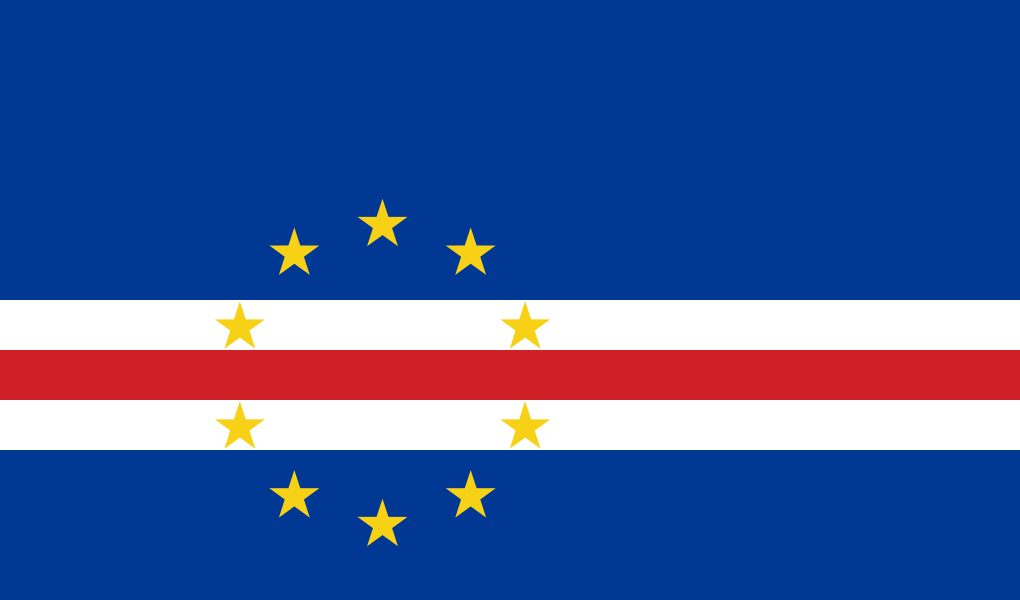

Cape Verde reached the World Cup 2026 Round of 32 on their debut, finishing above Uruguay in Group H before Argentina ended the Blue Sharks' run.
Cape Verde reached the Round of 32 at World Cup 2026 on their tournament debut, finishing second in Group H before a 1-1 draw with eventual finalists Argentina ended their run. For a side ranked 69th by FIFA with pre-tournament title odds of just 0.1%, and the smallest nation by population ever to qualify for a World Cup, simply surviving the group stage was a landmark; taking the reigning champions to the wire in the knockouts made it unforgettable.
The scale of the achievement is best measured by the company Cape Verde kept. They finished above Uruguay, a side ranked 52 places higher at FIFA #17, and above Saudi Arabia, the team that famously toppled Argentina in 2022. Only Euro 2024 winners Spain, the eventual beaten finalists, stood above the Blue Sharks in the final Group H table.
The knockout exit, when it came, carried no shame. Drawn against Lionel Messi's Argentina in the Round of 32, Cape Verde held the world's third-ranked side to 1-1 before the champions progressed. A team given a one-in-a-thousand shot at the trophy had pushed a finalist to the brink.
This is a data-led retrospective of how Cape Verde made history: how they escaped a group of giants, where their one knockout tie slipped away, who drove the run, and just how far a nation of this size could realistically have gone.
Ad
How did Cape Verde's knockout run unfold?
Cape Verde's knockout journey was short but seismic. As Group H runners-up they were paired with Group J winners Argentina in the Round of 32, a draw that pitted the lowest-ranked qualifier in their half against the reigning world champions and one of the title favourites at 12%.
The Blue Sharks did not freeze. They matched Argentina for long spells and forced a 1-1 scoreline, the kind of result that would have been unthinkable when the brackets were drawn. In the end Argentina found a way through and advanced, going on to beat Egypt, Switzerland and England before a goalless final with Spain. Cape Verde's tournament stopped at the first knockout hurdle.
It is worth being precise about what that means: Cape Verde played one knockout match and did not lose it in normal terms, taking the eventual finalists all the way before bowing out. For a debutant, the Round of 32 was both their ceiling and a genuine triumph.
The fine margin against Argentina is the defining image of their campaign. The difference between a nation of around half a million people and the champions of the world was reduced, on the day, to the narrowest of lines.
How did Cape Verde escape Group H?
The group stage was where Cape Verde did their most improbable work. They finished second in Group H on 3 points with a neutral goal difference of zero, enough to clip Uruguay and Saudi Arabia, who ended on 2 points apiece. Spain topped the pool on 7 points.
That neutral goal difference tells its own story. Cape Verde did not blow teams away; they stayed compact, conceded as many as they scored across their three games, and squeezed every available point out of tight matches. Against higher-ranked opposition, discipline was their currency.
Finishing above Uruguay is the headline. Marcelo Bielsa's Celeste arrived as the 17th-ranked side in the world with title odds of 4%, comfortably the heavier fancied team, yet it was Cape Verde who claimed the runners-up spot and the knockout berth. Saudi Arabia, 61st and carrying memories of 2022, also fell short.
No group illustrated the depth of this World Cup better: a debutant ranked 69th in the world advanced from a pool containing the Euro 2024 winners and a Copa America regular. The chart below shows how the final Group H points broke down.
Who were Cape Verde's key players?
Cape Verde's run was a study in the collective over the individual. Tellingly, not a single Cape Verde player appears among the tournament's top scorers, a list headed by Kylian Mbappe's 10 goals and featuring names from France, Argentina, Norway, England and Spain. There was no talisman doing the heavy lifting; there was a team.
That absence is not a criticism, it is the identity. A goal difference of zero across the group stage points to a side that defended in numbers, protected its box and picked its moments to counter. The best version of Cape Verde was organised rather than explosive, and it was good enough to outlast more talented squads.
Like several small-nation success stories, the Blue Sharks drew on a squad built heavily from a European-based diaspora, players sharpened in continental club football and bound together by a fierce sense of representing home. That blend of professional pedigree and emotional investment is the engine behind overachievers, and Cape Verde harnessed it as well as anyone in 2026.
The lesson for scouts and neutrals alike is that cohesion travels. Without a marquee goalscorer, Cape Verde still finished above Uruguay and drew with Argentina, proof that a clear plan and collective buy-in can close gaps that rankings suggest are unbridgeable.
How far could Cape Verde realistically have gone?
In cold terms, the Round of 32 was always likely to be the ceiling, and Cape Verde reached it. Their FIFA ranking of 69 and title odds of 0.1% placed them firmly among the tournament's longest shots, and the bracket handed them Argentina at the first knockout step, about as unforgiving a draw as the format can produce.
Yet the 1-1 scoreline hints at a tantalising what-if. On the evidence of that night, a kinder draw, a lower seed from another group, might have carried Cape Verde into the Round of 16 and uncharted territory. They did not look out of place against the best; they looked like a team capable of hurting anyone willing to underestimate them.
The ranking chart below frames the mountain they were climbing. Against Spain (2nd), Argentina (3rd), Uruguay (17th) and Saudi Arabia (61st), Cape Verde were the lowest-ranked team in every room they entered, and still walked out of the group in second.
Realistically, then, this was close to a best-case campaign executed to the letter. A debutant does not control the draw; it controls its own standards, and Cape Verde met theirs. The Round of 32 exit was the floor of expectation turned into the summit of achievement.
What Cape Verde's 2026 World Cup run means
Cape Verde's 2026 World Cup was historic before a ball was kicked and vindicated once it was over. As the smallest nation ever to reach the finals, they turned a debut into a statement, qualifying from a group containing Spain and Uruguay and then trading blows with Argentina. Few debutants in the tournament's history have announced themselves so emphatically.
The campaign also doubles as a blueprint. Cape Verde proved that structure, togetherness and a well-drilled defensive plan can outperform raw ranking points, and that a small federation with a committed diaspora can punch far above its weight on the biggest stage. For the next wave of tiny nations dreaming of 2030, the Blue Sharks are now the reference point.
It is important to speak of this run in the past tense: Cape Verde are out, their adventure closed at the Round of 32, and the remaining stages belonged to others. But eliminations are not all equal. Going out on level terms with the eventual finalists, after finishing above two more fancied sides, is the kind of exit a nation celebrates rather than mourns.
When the story of World Cup 2026 is told, the finalists and the Golden Boot winner will lead the headlines. Cape Verde, though, will own one of its warmest chapters: the smallest nation of all, ranked 69th, written off at 0.1%, who came, competed and refused to be a footnote.
Frequently asked
How far did Cape Verde get at the 2026 World Cup?
Cape Verde reached the Round of 32, their furthest possible point on a tournament debut. Their run ended there after a 1-1 draw with eventual finalists Argentina, who progressed to the Round of 16.
How did Cape Verde qualify from Group H?
They finished second with 3 points and a neutral goal difference, above Uruguay and Saudi Arabia and behind only Spain. It was enough to clinch a knockout place at the first attempt.
Did Cape Verde beat Argentina at World Cup 2026?
No. Cape Verde held the reigning champions to a 1-1 draw in the Round of 32, but Argentina advanced and went on to reach the final, which they drew 0-0 with Spain.
Why were Cape Verde considered such underdogs?
Cape Verde entered as debutants ranked 69th by FIFA with title odds of just 0.1%, and are the smallest nation by population ever to reach a World Cup.
Who were Cape Verde's key players at the 2026 World Cup?
No single Cape Verde player reached the tournament's top-scorer list, reflecting a team built on collective organisation and defensive discipline rather than one star carrying the load.