ESP 16%
 FRA 12%
 ARG 12%
 BRA 11%
 ENG 10%
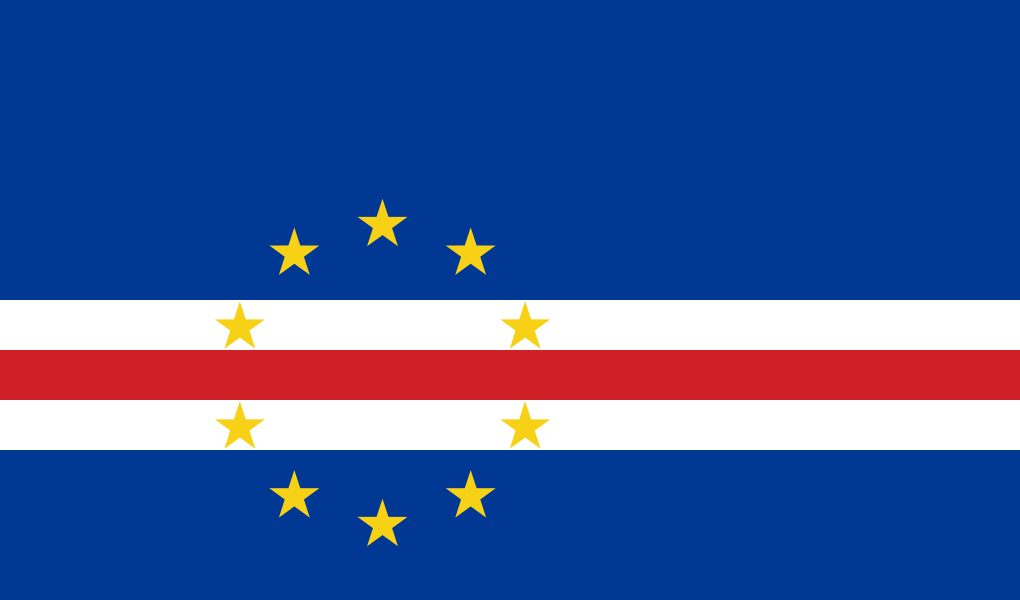

Cape Verde's World Cup 2026 debut ended in the Round of 32, beaten by Argentina after a 1-1 draw. Inside the Blue Sharks' run, key men and how far they went.
Cape Verde's first ever World Cup ended in the Round of 32, where the Blue Sharks were beaten by reigning champions Argentina after a 1-1 draw before the holders advanced to the last 16. For a nation ranked FIFA #69 and handed pre-tournament title odds of just 0.1%, reaching the knockout stage at all was the headline; taking Lionel Messi's Argentina all the way to the wire in the next round turned a debut into a genuine fairytale.
This was never supposed to be a story that lasted beyond mid-June. Drawn into Group H alongside Euro 2024 winners Spain, Marcelo Bielsa's Uruguay and the Saudi Arabia side that had toppled Argentina in 2022, Cape Verde were everyone's pick for fourth. Instead they finished second, above two higher-ranked nations, and carried their momentum into the first knockout round.
What follows is the full arc of that run: how Cape Verde navigated a group of giants, who drove the campaign, why they punched so far above their ranking, and exactly how far the smallest footballing outposts can realistically climb at a modern World Cup.
Ad
How did Cape Verde's World Cup 2026 run end?
Cape Verde's tournament ended in the Round of 32 against Argentina, a 1-1 draw that the reigning champions came through to reach the last 16. For a debutant facing the holders, going toe to toe with a side that would go on to contest the final was a statement in itself, and it was no fluke of the fixture list: Cape Verde had earned their place in the knockouts the hard way.
The scoreline tells the story of the margins. Argentina, FIFA #3 and 12% title favourites at kickoff, needed everything to subdue a Cape Verde side ranked 66 places below them. The holders then eased past Egypt 3-2 in the Round of 16, beat Switzerland in the quarter-finals and edged England 2-1 in the semi before a goalless final with Spain, which puts Cape Verde's resistance into perspective: they stretched the eventual finalists further than most.
Defeat at that stage carried no shame. Cape Verde were not blown away, they were not embarrassed, and they did not fold under the occasion. They matched the champions for long spells and left the tournament with their reputation transformed rather than dented, the mark of a side that belonged.
Crucially, this was a tie Cape Verde could compete in because of how they had grown through the group stage. By the time they met Argentina they were battle-hardened, organised and fearless, not a team simply happy to be there.
How did Cape Verde finish second in Group H?
Cape Verde reached the knockouts by finishing second in Group H on 3 points with a goal difference of zero, ahead of both Uruguay and Saudi Arabia. Only Spain, who topped the group with 7 points and a +5 goal difference, finished above them, and the Blue Sharks' balanced goal difference reflected a side that gave as good as it got.
The standout achievement was leapfrogging Uruguay. Bielsa's Celeste arrived as FIFA #17 with 4% title odds and the pedigree of two-time world champions, yet they mustered just 2 points and a negative goal difference, finishing third and crashing out at the group stage. Saudi Arabia, also on 2 points, went home too. Cape Verde, the lowest-ranked team in the pool by a distance, were the ones who advanced.
That outcome rewrites the usual hierarchy. On paper this was a one-and-three group, Spain plus three fighting for scraps, with Cape Verde the clear outsider. In practice the debutants were the second-best team across three matches, which is the kind of result that reshapes how a nation is viewed on the world stage.
The FIFA rankings below show just how steep the climb was. Cape Verde were not merely underdogs against one opponent; they were the lowest-ranked side in the entire group and still emerged second.
Who were Cape Verde's key players?
Cape Verde's run was built on a collective rather than a single talisman, and the clearest evidence is in the goalscoring charts: no Cape Verde player features in World Cup 2026's top 10, a list headed by Kylian Mbappé on 10, Lionel Messi on 8 and Erling Haaland and Jude Bellingham on 7. Where the giants leaned on marquee forwards, the Blue Sharks spread the load and leaned on structure.
That identity defined everything. Cape Verde's goal difference of zero across the group stage points to a side that scored enough to win the matches that mattered while rarely being cut open, the profile of a team organised from back to front rather than one carried by a star striker. Discipline, shape and shared responsibility were the currency of this campaign.
It is a model familiar from Africa's recent World Cup overachievers, where defensive solidity and a clear game plan have repeatedly outperformed raw ranking. Cape Verde did not have the Premier League spine of a Senegal or the semi-final pedigree of a Morocco, so they compensated with cohesion, pressing as a unit and defending their box in numbers against more celebrated opponents.
The result was a team that no opponent enjoyed facing. Spain still finished above them, but Uruguay and Saudi Arabia could not break them down often enough, and even Argentina were held to a draw before progressing. For a debutant, that collective resilience was worth more than any individual headline.
Why did Cape Verde punch so far above their odds?
Cape Verde entered World Cup 2026 with title odds of 0.1%, the longest band in the field alongside fellow minnows, and a FIFA ranking of #69. By any pre-tournament measure they were among the least likely of all 48 teams to make an impact, which makes a second-placed group finish and a Round of 32 appearance a significant overachievement against the numbers.
Part of the explanation is the expanded 48-team format, which hands nations like Cape Verde a real platform and a kinder route to the knockouts through best third-placed qualification, though the Blue Sharks did not need the safety net and advanced on merit as runners-up. The bigger part is temperament: they treated the occasion as an opportunity rather than a burden and played without fear against far bigger reputations.
There is also a lesson in how misleading rankings can be at a tournament. Uruguay, 52 places higher and 40 times shorter in the title market, went home early; Cape Verde, the outsiders, stayed. World Cups reward organisation, togetherness and clarity of plan, and across three group games the debutants had more of all three than two more decorated rivals.
The odds chart underlines the scale of the shock. Cape Verde began as rank outsiders in their own group yet outlasted sides that the markets rated many times more likely to succeed.
How far could Cape Verde realistically have gone?
The honest answer is that the Round of 32 was close to Cape Verde's ceiling at this tournament, and there is no shame in that. Drawing Argentina, eventual finalists and one of the pre-tournament favourites, in the first knockout round was a brutal reward for finishing second, and even a perfect performance would have needed to overcome a 66-place ranking gulf and a squad packed with world-class match-winners.
Had the bracket broken more kindly, a last-16 place was not fanciful given how competitive they were against the champions. But sustaining a run deep into the knockouts requires squad depth and individual quality to win tight games late, and Cape Verde's collective model, so effective over three group matches, becomes harder to maintain against elite opposition across consecutive high-stakes ties.
That is why their achievement should be measured against expectation rather than against the trophy. Switzerland, Spain, Argentina, Norway and Senegal joined Cape Verde among the sides that lingered longest in the tournament narrative, and for the Blue Sharks to be mentioned in that company at all, as the lowest-ranked of the lot, is the real measure of the run.
For a first World Cup, reaching the knockouts and taking the champions to a draw is a near-perfect debut. The ceiling was the Round of 32; the floor, for most observers, was a group-stage exit in last place. Cape Verde cleared it emphatically.
What does this debut mean for Cape Verde?
Cape Verde leave World Cup 2026 as one of its defining underdog stories, a nation that arrived ranked #69 and departed having finished above Uruguay and Saudi Arabia and pushed Argentina. That is a legacy no ranking can capture, and it resets the ambitions of a footballing nation that had never before reached this stage.
The template is now proven. Cape Verde showed that a small nation with a clear identity, disciplined defending and a fearless mentality can not only qualify in the 48-team era but advance from a group of established powers. Future squads will travel with belief rather than hope, and opponents will no longer treat a fixture against the Blue Sharks as a routine three points.
There is a continental dimension too. Africa's sides continued to make the knockouts a dangerous place for the favourites at this World Cup, and Cape Verde added a fresh name to that list, proving the depth of CAF's rise extends well beyond its traditional heavyweights. The smallest outposts are closing the gap.
The run is over and the Blue Sharks watched the latter stages from home, but the direction of travel is clear. Cape Verde did not win World Cup 2026, they were never going to, yet they left it a bigger, bolder and more respected football nation than the one that kicked off in Group H. For a debut, that is the most valuable prize of all.
Frequently asked
How far did Cape Verde get at World Cup 2026?
Cape Verde reached the Round of 32 on their tournament debut, finishing second in Group H before losing to Argentina after a 1-1 draw. It was a historic first World Cup for the Blue Sharks.
Who knocked Cape Verde out of the World Cup?
Argentina ended Cape Verde's run in the Round of 32. The debutants held the reigning champions to a 1-1 draw, but Argentina progressed to the last 16 and eventually reached the final.
How did Cape Verde qualify from Group H?
Cape Verde finished second in Group H with 3 points and a goal difference of zero, ahead of Uruguay and Saudi Arabia. Only Spain, on 7 points, finished above them.
Were Cape Verde the lowest-ranked team to reach the knockouts?
At FIFA #69, Cape Verde were among the lowest-ranked sides to make the Round of 32 at World Cup 2026, having begun with title odds of just 0.1%.
Did any Cape Verde player win an award or lead the scoring?
No. No Cape Verde player appeared in the tournament's top-10 scorers, which was led by Kylian Mbappé on 10 goals. Their run was built on collective organisation rather than one star.