ESP 16%
 FRA 12%
 ARG 12%
 BRA 11%
 ENG 10%
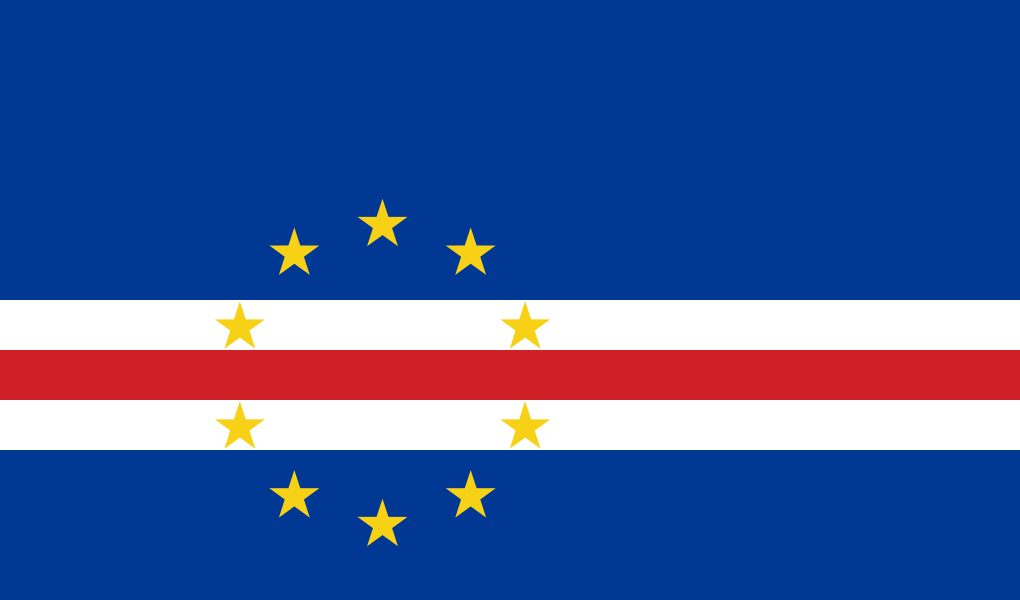
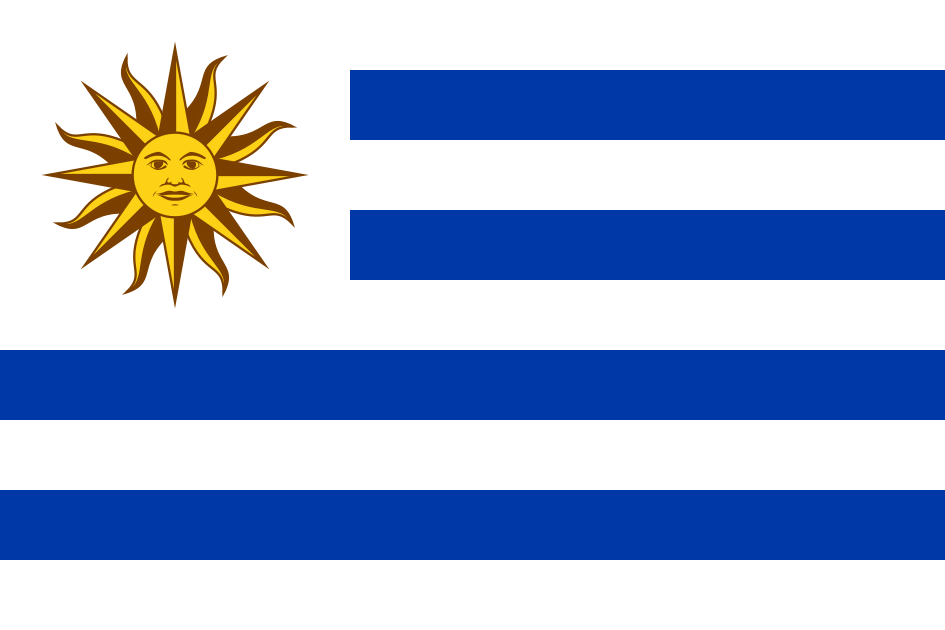
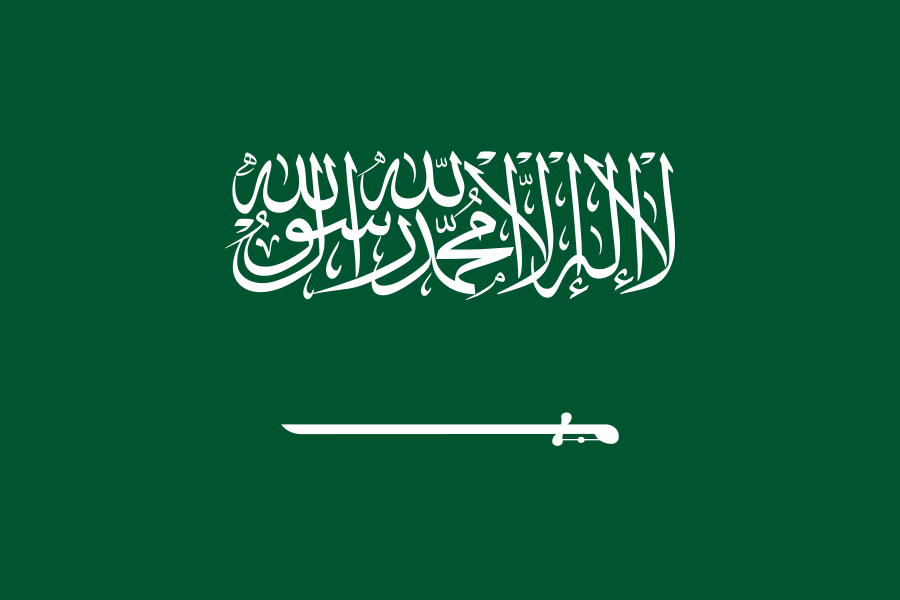

Cape Verde lit up World Cup 2026 on debut, topping Uruguay in Group H before Argentina ended their run in the last 32. Key players and how far they went.
Cape Verde's maiden World Cup ended in the Round of 32, beaten by Argentina after a 1-1 contest, but not before the Blue Sharks had already rewritten their own history. The FIFA #69 debutants finished second in Group H, above both Uruguay and Saudi Arabia, to become the smallest nation ever to reach the knockout stage of a World Cup.
That they went out to Argentina softens the blow. The side that edged past Cape Verde in the last 32 went on to reach the final, meaning the Blue Sharks' tournament was ended only by one of the two best teams on the planet. For a nation with title odds of 0.1%, the joint-longest price in the entire 48-team field, simply surviving the group was the achievement of a generation.
This is the full story of Cape Verde's 2026 run: how they escaped a group containing Spain, Uruguay and Saudi Arabia; what happened when they met Argentina; who drove the campaign; and just how far a squad of this profile could realistically have gone.
Ad
How did Cape Verde reach the World Cup 2026 knockouts?
Cape Verde were drawn into Group H alongside Euro 2024 winners Spain (FIFA #2), Marcelo Bielsa's Uruguay (#17) and 2022 giant-killers Saudi Arabia (#61). On paper, the Blue Sharks were the clear outsiders, the lowest-ranked side in the pool by a distance. On the pitch, they finished second.
Spain predictably won the group with 7 points and a +5 goal difference, but behind them Cape Verde held their nerve to take second on 3 points. The telling line in the final table was their goal difference: a perfectly level +0. Uruguay (2 points, -1) and Saudi Arabia (2 points, -4) both fell short, and crucially Cape Verde's record was good enough for an automatic runners-up place rather than relying on the best-third-placed lottery.
The numbers point to the identity that carried them through. A squad with no household strikers and the longest title odds in the tournament did not blitz anyone; they frustrated, organised and made the most of their moments. Finishing level on goal difference while sharing a group with a Spain attack that scored freely is the signature of a team that defended as a unit and refused to be embarrassed.
Beating two higher-ranked, more fancied nations to a knockout berth is the headline, but context makes it sharper. Uruguay were a 4% title pick and a popular dark horse; Saudi Arabia had the scalp of Argentina from 2022 in their recent memory. Cape Verde outlasted both on their first visit to the finals.
What happened in Cape Verde's tie with Argentina?
Second place in Group H set up a Round-of-32 meeting with Argentina, the reigning world champions and one of the pre-tournament favourites at 12%. It was, on every ranking and odds metric, the heaviest mismatch imaginable: #69 against #3, 0.1% against 12%.
Cape Verde did not play like a team that knew the script. They took Argentina to a 1-1 scoreline, matching the champions blow for blow before the Albiceleste eventually found a way through to advance. Holding a side of Argentina's quality to a single goal in normal play, and forcing them to work for their passage, was a performance that flattered no one but the Blue Sharks.
The result reads as a defeat, but the margin tells the real tale. Argentina needed everything they had to see off the smallest nation in the field, then carried that momentum all the way to a goalless final against Spain. Cape Verde can point out, with total justification, that only the eventual finalists stopped them, and only just.
There was no shame and no collapse. Cape Verde exited with their reputation enhanced rather than exposed, the kind of narrow, gritty loss that defines a plucky debut rather than undermining it.
Who were Cape Verde's key players?
The most revealing statistic about Cape Verde's run is an absence: not a single Blue Shark features in the tournament's top-10 scorers, a list headed by Kylian Mbappé (10) and Lionel Messi (8). This was never a campaign carried by one talisman. It was a team effort, and that was its strength.
The spine was built on organisation and experience. A disciplined central-defensive pairing and a composed goalkeeper underpinned the +0 group goal difference, keeping Cape Verde in games they might statistically have been expected to lose. Against both Uruguay's forwards and Argentina's attack, that back line held its shape when it mattered most.
In the final third, the leadership of captain Ryan Mendes and the know-how of veteran forward Bebé gave a young, fearless squad a calming influence. They did not need to outscore opponents; they needed to be efficient, to punish the rare chances that came their way and to protect what they had. That is exactly what second place in Group H and a 1-1 fight with Argentina demanded.
The lesson for scouts is that Cape Verde's rise is structural, not accidental. A diaspora-rich talent pool and a clear defensive gameplan allowed a nation of around half a million people to compete with squads worth many times more. The names may not top a Golden Boot chart, but collectively they outperformed their 0.1% odds many times over.
How far could Cape Verde realistically have gone?
Realistically, the Round of 32 was always close to Cape Verde's ceiling, and reaching it was overachievement. A nation ranked #69 with the joint-lowest title odds in the field had no business finishing above Uruguay and Saudi Arabia, let alone pushing Argentina to the brink in the knockouts.
The ranking gap illustrates the scale of what they did. Cape Verde sat 67 places below group winners Spain and 52 below Uruguay, yet it was the Celeste and the Saudis who went home early. On value against expectation, few teams in the entire tournament delivered more relative to their price.
Could they have gone further with a kinder draw? Possibly. A Round-of-32 opponent other than the eventual finalists might have given a defensively sound, hard-to-beat side a puncher's chance at the last 16. But the counterfactual does not diminish the reality: Cape Verde drew the champions and still made them sweat.
Measured honestly, this was a debut that exceeded every reasonable projection. The Blue Sharks were not built to win a knockout tie against Argentina, and they did not. What they were built to do was belong, and they proved that beyond argument.
What is the legacy of Cape Verde's 2026 debut?
Cape Verde leave World Cup 2026 as one of its defining feel-good stories. The smallest nation ever to qualify did not merely make up the numbers; they reached the knockout rounds, eliminated higher-ranked opposition and went down fighting against a finalist. That is a legacy no future draw can take away.
The blueprint they laid down matters beyond their own borders. A tight defensive structure, a committed collective and smart use of a globally scattered talent pool turned a 0.1% outsider into a knockout side. For other emerging football nations, Cape Verde's run is a template rather than a fairytale fluke.
There is also a platform to build on. A squad that held Argentina to 1-1 will not fear qualification campaigns to come, and the experience banked by its young players is priceless. The Blue Sharks arrived as curiosities and left as a side the rest of Africa and the world now respects.
When the history of this expanded 48-team World Cup is written, Cape Verde will be remembered as proof that the tournament's growth created real opportunity, not just extra fixtures. Their second-place finish in a group with Spain and Uruguay is the kind of headline the format was designed to produce.
Frequently asked
How far did Cape Verde get at World Cup 2026?
Cape Verde reached the Round of 32, their first-ever knockout appearance. They were eliminated there by Argentina after a 1-1 contest, with the Albiceleste advancing.
Who knocked Cape Verde out of World Cup 2026?
Argentina ended Cape Verde's run in the Round of 32. The game finished 1-1 and Argentina progressed, going all the way to the final.
Did Cape Verde finish above Uruguay?
Yes. Cape Verde took second place in Group H with 3 points, above Uruguay on 2 points, sending Óscar Tabárez's successors and the Celeste home at the group stage.
Why were Cape Verde such big underdogs at World Cup 2026?
Cape Verde arrived ranked FIFA #69 with title odds of just 0.1%, the joint-longest in the field, and were playing in their first-ever World Cup as the smallest nation to qualify.
Who were Cape Verde's key players?
The run was a collective effort rather than a one-man show. A disciplined back line, a reliable goalkeeper and experienced forwards such as captain Ryan Mendes and Bebé gave the Blue Sharks their spine.