ESP 16%
 FRA 12%
 ARG 12%
 BRA 11%
 ENG 10%
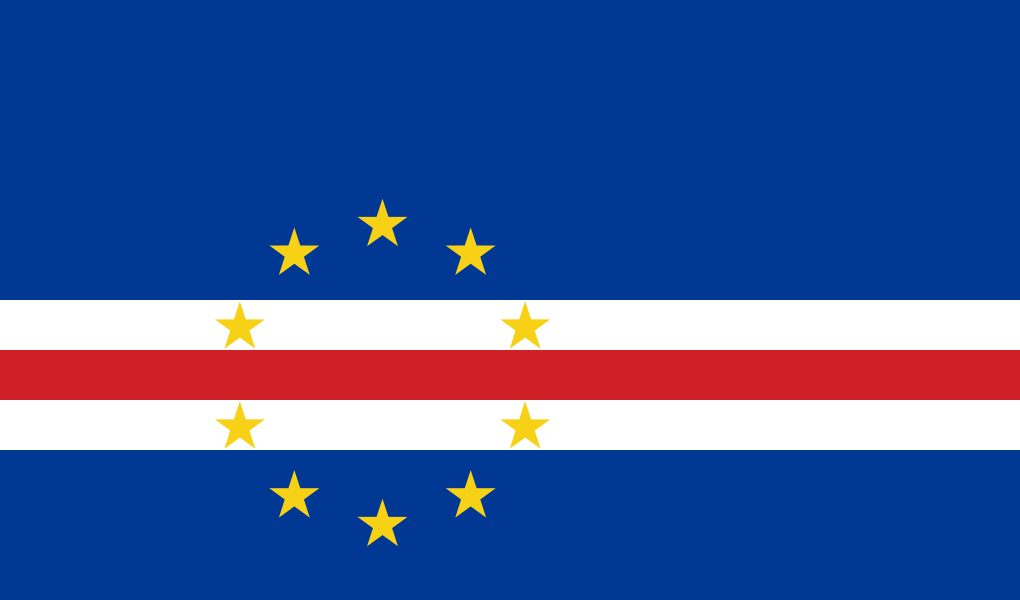
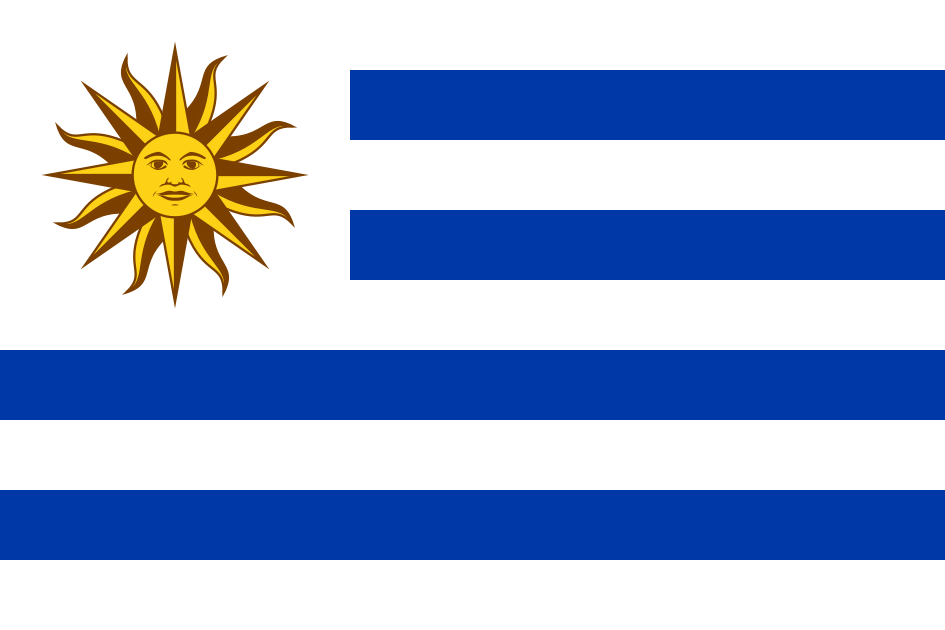
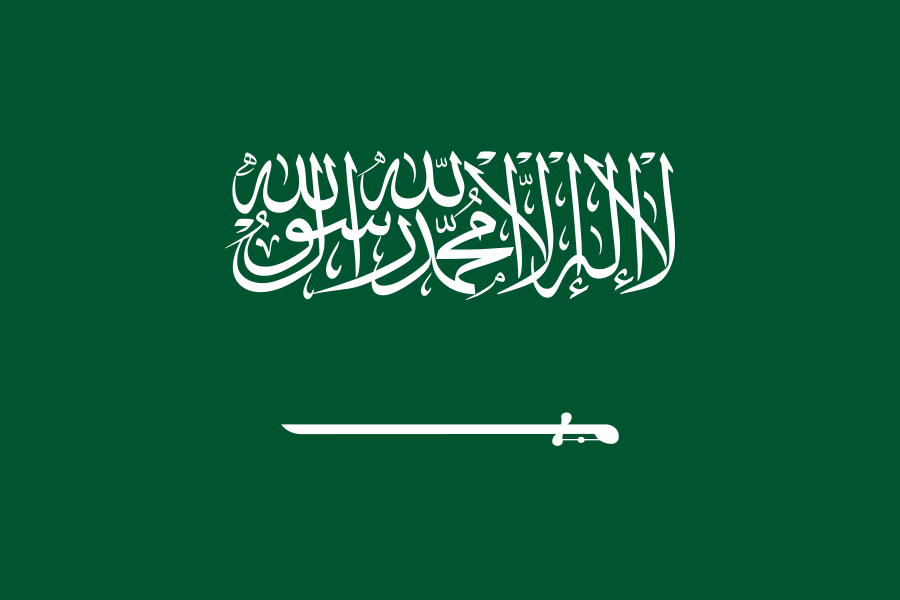

Cape Verde's World Cup 2026 debut ended in the round of 32, where the world No. 69 Blue Sharks held finalists Argentina to 1-1 after finishing above Uruguay.
Cape Verde's first World Cup ended in the round of 32: the Blue Sharks were held to a 1-1 draw by Argentina and went out, while the reigning champions marched on to the final. Reaching the last 32 as the 69th-ranked team in the field, and finishing second in a group containing Spain and Uruguay, made this comfortably the most successful campaign in the nation's history.
The numbers tell you how improbable it all was. Cape Verde arrived with pre-tournament title odds of 0.1%, among the longest shots of all 48 qualified sides, and a FIFA ranking (No. 69) that placed them a full 52 places below Spain and well adrift of Uruguay (No. 17). On paper, a group exit was the expectation. Instead, the Blue Sharks banked three points, a goal difference of zero and a knockout berth, then pushed the eventual finalists to the wire.
This piece rates that run on its own terms: how Cape Verde escaped a brutal group, what powered the campaign, how the Argentina tie slipped away and, finally, an honest verdict on how far a debutant of this profile could realistically have gone.
Ad
How far did Cape Verde go at World Cup 2026?
Cape Verde's tournament ran to four matches: three in Group H and one in the round of 32. They finished second in the group on three points with a goal difference of zero, enough to qualify as runners-up behind Spain (seven points, +5) and ahead of Uruguay (two points, -1) and Saudi Arabia (two points, -4). For a side ranked 69th in the world, edging two more fancied nations over a group stage was already a landmark result.
Qualification set up a daunting round-of-32 draw against Argentina, the reigning world champions and one of the tournament favourites at 12% title odds. Cape Verde did not wilt. They matched Argentina for long stretches and held them to a 1-1 scoreline, but it was not enough to progress: Argentina advanced and continued their run all the way to the final.
That is where the debut story closed, in the last 32 rather than the last 16. There is no shame in the ceiling. Argentina went on to beat Egypt, Switzerland and England before a goalless final against Spain, so Cape Verde were the first team to take the champions-elect to a stalemate in normal time. For a nation playing its maiden World Cup, bowing out to the finalists after refusing to be beaten in open play is a campaign to be proud of.
Context sharpens the achievement. Of the tournament's genuine debutants, Cape Verde were among the few to survive the group stage at all, and they did it from the lowest ranking in their pool. The last-32 finish may read modestly next to the semi-finalists, but measured against where the Blue Sharks started, it was an overachievement of real substance.
How did Cape Verde escape a group with Spain and Uruguay?
Group H was the definition of a group of giants, and Cape Verde were the outsiders in every sense. Spain (No. 2, 16% title odds) were the team to beat, Uruguay (No. 17, 4%) carried pedigree under an intense high press, and even Saudi Arabia (No. 61) had history as the side that toppled Argentina in 2022. Cape Verde, ranked 69th, were seeded to finish bottom.
The chart lays bare the ranking chasm: Cape Verde sat 67 places below Spain and 52 below Uruguay, yet still came out second. What separated them was not firepower but discipline. A goal difference of exactly zero across three matches points to a side that controlled games, limited damage and took its moments, rather than one that blew opponents away.
Crucially, the Blue Sharks got their result against the right rivals. Finishing second meant finishing above Uruguay and Saudi Arabia, the two sides most likely to claim the runners-up spot behind Spain. Bielsa's Uruguay, for all their talent, managed only two points and a negative goal difference; Cape Verde's extra point and superior goal difference settled the pecking order in the debutants' favour.
It was a result built on temperament as much as tactics. Topping the group was never realistic with Spain in the field, but Cape Verde understood the actual target: second place and survival. By staying organised in the matches that mattered and avoiding the heavy defeat that sank Saudi Arabia, they turned the smallest margins into qualification.
Who were Cape Verde's key players?
The honest answer is that Cape Verde's run was a team effort rather than a one-star show, and the data backs that up. Not a single Cape Verde player features among the tournament's top-10 scorers, a list headed by Kylian Mbappe (10), Lionel Messi (8), Erling Haaland and Jude Bellingham (7 each). Where the giants leaned on individual match-winners, the Blue Sharks leaned on the collective.
That identity shows in the shape of their campaign. A goal difference of zero across the group stage is the signature of a side that defends in numbers, keeps its structure and refuses to be broken apart, rather than one that trades blows. Against opposition ranked far higher, staying compact and organised was the only viable route through, and Cape Verde executed it.
It is a template familiar to successful debutants and dark horses throughout the tournament: without a Golden Boot contender to call on, cohesion becomes the asset. Cape Verde's achievement in reaching the last 32, and then holding Argentina, was less about a talisman and more about eleven players knowing their jobs and trusting the plan.
That makes the run all the more repeatable. Star-dependent sides can live and die by one player's form; a team built on collective organisation, as Cape Verde were, has a floor that travels. It is the sort of foundation a small nation can build on rather than a flash in the pan.
How did the Argentina tie slip away?
The round-of-32 meeting with Argentina was the defining night of Cape Verde's World Cup. Drawn against the reigning champions, a side carrying 12% title odds and Lionel Messi's eight-goal campaign, the Blue Sharks were expected to be swept aside. They were not. The match finished 1-1, and Cape Verde went toe to toe with one of the two best teams in the tournament.
Ultimately the draw was not enough to carry them through, and Argentina progressed. That is the cruelty of the knockout format for a debutant: ninety minutes of defiance against the eventual finalists still ended in elimination. But the scoreline matters for how we rate the run. Argentina would go on to draw their quarter-final with Switzerland 1-1 and their final with Spain 0-0, so the champions-elect were repeatedly stretched, and Cape Verde were among the sides who stretched them.
The margins could hardly have been finer. A single moment, a different bounce, and the story might have been a last-16 place against the group of giants. Instead, Cape Verde joined the long list of 2026 teams undone by the thinnest of margins against a heavyweight who then went all the way.
There is validation in who did the knocking out. Being eliminated by the finalists, after matching them in normal time, is a far better exit than a chastening defeat. Cape Verde left the tournament with their reputation enhanced, not dented.
How far could Cape Verde realistically have gone?
Judged against expectation, Cape Verde had already exceeded their ceiling before a ball was kicked in the knockouts. A nation ranked 69th with 0.1% title odds is not built to win four-and-five-game knockout runs against the planet's elite; simply reaching the round of 32 on debut was the overachievement. Everything after the group stage was a bonus.
Could they have reached the last 16? On the evidence of the Argentina tie, yes, by the narrowest sliver. Had they held on for qualification from that match, a round-of-16 place would have been the realistic limit; the depth required to beat successive top-tier sides over a knockout run was always likely to be beyond a debutant squad without a top-10 scorer. The quarter-finals, reached by fellow outsiders Switzerland and Norway, were a stretch too far for a group of this profile.
That is not a criticism, it is a measure of how high the Blue Sharks climbed from a low base. Of the longest shots in the field, few did more with less. Finishing above Uruguay and Saudi Arabia, and then forcing a draw with the finalists, is the kind of campaign most 69th-ranked nations can only dream of.
The lasting value may be in what comes next. Cape Verde proved that a small nation built on organisation and belief can compete with and even leapfrog established names at a World Cup. The last-32 finish is the ceiling for now, but the blueprint, collective discipline over star power, gives the Blue Sharks something concrete to build their future on.
Frequently asked
How far did Cape Verde get at the 2026 World Cup?
Cape Verde reached the round of 32 on their debut. They were eliminated there by Argentina after a 1-1 draw, with the reigning champions advancing.
Did Cape Verde get out of their group?
Yes. Cape Verde finished second in Group H with three points and a goal difference of zero, ahead of both Uruguay and Saudi Arabia.
Who knocked Cape Verde out of World Cup 2026?
Argentina ended Cape Verde's run in the round of 32 after a 1-1 tie. Argentina went on to reach the final, where they drew 0-0 with Spain.
Was 2026 Cape Verde's first World Cup?
Yes. This was Cape Verde's first appearance at a World Cup finals, and reaching the last 32 made it the most successful campaign in the nation's history.
How were Cape Verde ranked going into the tournament?
Cape Verde entered 69th in the FIFA rankings with title odds of just 0.1%, the lowest-ranked side in Group H by some distance.