ESP 16%
 FRA 12%
 ARG 12%
 BRA 11%
 ENG 10%



A confederation-by-confederation verdict on the World Cup 2026 knockouts: why Africa impressed, Asia fell flat, and only Spain and Argentina survived.
The clearest lesson of the World Cup 2026 knockouts is that the top of the market held firm while the tier beneath it shattered. Spain (16% pre-tournament title odds, FIFA #2) and Argentina (12%, FIFA #3) were the only two heavyweights to reach the final, a goalless showpiece that capped a bracket littered with fallen giants.
Beneath those two, the carnage was relentless. Germany and the Netherlands were bundled out in the round of 32 on penalties, Brazil were beaten 2-1 by Norway in the last 16, and both France and England fell in the semi-finals before contesting a chaotic 6-4 third-place match that England won. For all the pre-tournament talk of a wide-open field, the eventual finalists were ranked second and third in the world.
The most revealing way to read this knockout stage is confederation by confederation. Each region arrived with a different promise, and each leaves with a very different report card: UEFA ran deep, CONMEBOL rested everything on one nation, CAF broke records for breadth, and the AFC barely registered. Here is what the results taught us about football's balance of power.
Ad
What did the knockouts teach us about UEFA?
Europe was comfortably the deepest confederation, sending 13 teams into the last 32 and filling most of the latter stages. Spain reached the final, Switzerland and Norway both ground their way to the quarter-finals, and England went all the way to the semis before finishing third. No other region came close to that spread of survivors.
Yet UEFA was also where the biggest names imploded. Germany (8% title odds) went out on penalties to Paraguay, the Netherlands (7%) lost a shootout to Morocco, and Portugal (7%) were beaten 1-0 by Spain in the last 16. France (12%) and England (10%) at least reached the semi-finals, but both were beaten, France losing 0-2 to Spain and England going down 1-2 to Argentina. Pedigree bought a long run; it did not guarantee a final.
Spain were the exception that proved the rule. La Roja swept past Austria 3-0, edged Portugal 1-0, beat Belgium 2-1 and dismantled France 2-0 in the semi, with Mikel Oyarzabal's five goals leading the line. Their path showed that the only European side to fully convert its billing was the one ranked highest of all.
The chart below underlines the point: of Europe's six most-fancied teams before kickoff, only Spain reached the final. The rest were sorted and discarded by a bracket that punished anything short of ruthless.
How did CONMEBOL fare in the knockouts?
South America's story was one of concentration: five CONMEBOL sides reached the last 32, but only Argentina survived past the last 16. Lionel Messi's team beat Cape Verde and Switzerland in ties that finished 1-1, saw off Egypt 3-2 and edged England 2-1 in the semi, with Messi's eight goals carrying them to the final.
The headline casualty was Brazil. Carlo Ancelotti's Seleção, 11% to win the trophy before kickoff, beat Japan 2-1 but were then stunned 1-2 by Norway in the round of 16, their hunt for a sixth star ended by a side ranked 31st in the world. For a nation that expects to contend every four years, a last-16 exit was a genuine shock.
The rest followed Brazil out early. Colombia lost a last-16 shootout to Switzerland after a goalless draw, Paraguay knocked out Germany on penalties before losing 0-1 to France, and Ecuador were beaten 2-0 by hosts Mexico in the last 32. CONMEBOL's depth looked impressive on paper, but in practice the continent's final hopes narrowed to a single team.
As the chart shows, Argentina and Brazil led the South American market, yet only Argentina turned favouritism into a deep run. The gap between pre-tournament promise and knockout delivery was stark across the confederation.
Was this Africa's breakthrough knockout stage?
In breadth, yes. A record nine CAF nations reached the last 32: South Africa, Morocco, Ivory Coast, Egypt, Cape Verde, DR Congo, Ghana, Algeria and Senegal. No previous World Cup has sent so many African teams into the knockouts, and it reflected a continent closing the gap on the traditional powers.
In depth, the picture was more sobering. Seven of those nine fell at the first knockout hurdle, several in cruel fashion. Senegal drew 2-2 with Belgium and went out, Cape Verde took Argentina to 1-1 before exiting, and Algeria, Ghana, DR Congo, Ivory Coast and South Africa all bowed out in the round of 32. Only Morocco and Egypt advanced.
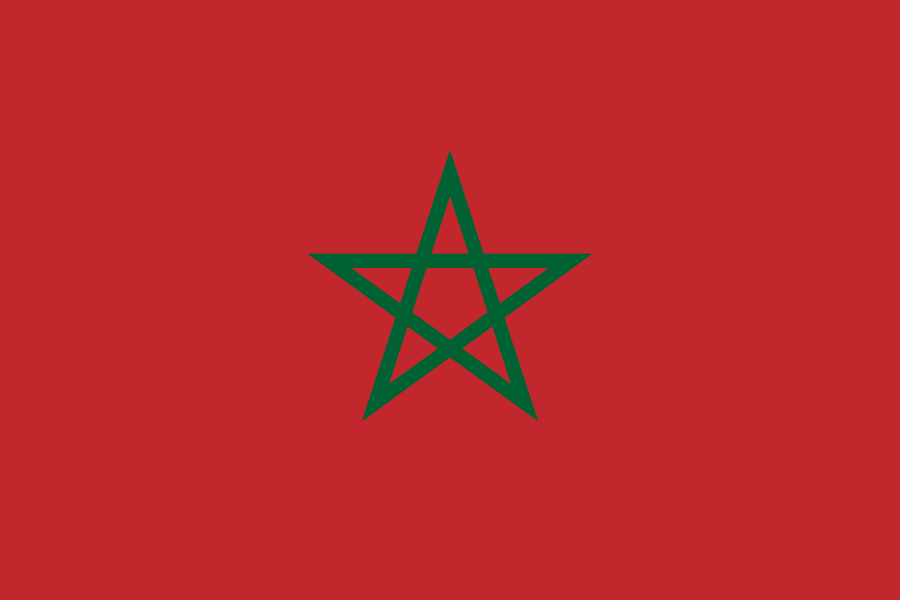
Morocco carried the flag furthest. They knocked out the Netherlands on penalties, thrashed Canada 3-0 and reached the quarter-finals before losing 2-0 to France, falling one round short of their 2022 semi-final. Egypt, inspired by the run that saw off Australia on spot-kicks, pushed Argentina to 3-2 in the last 16 before going out.
The lesson is that Africa has closed the gap on qualification and competitiveness, but not yet on the knockout grind. Nine starters becoming one quarter-finalist tells its own story: the continent can now flood the bracket, but converting that into a semi-final place remains the final frontier.
Why did Asia and the rest fall short?
If one confederation leaves with a failing grade, it is the AFC. Only Japan and Australia qualified from Asia for the knockouts, and both were eliminated in the round of 32. Japan lost a respectable 2-1 to Brazil, while Australia pushed Egypt to a shootout before falling. For all the strength Asia showed in the group stage elsewhere, no AFC side reached the last 16.
CONCACAF's story was defined by its co-hosts. Mexico, the United States and Canada all reached the round of 16, a strong return for the three host nations, but none went further. Mexico lost a thriller 2-3 to England, the United States were overrun 1-4 by Belgium, and Canada were beaten 3-0 by Morocco. Home advantage carried them into the knockouts, then ran out.
Oceania's lone representative, New Zealand, never reached the knockouts at all, finishing bottom of Group G with a single point. The Kiwis' exit at the group stage completed a clear hierarchy below Europe and South America: CONCACAF reached the last 16 in numbers, Africa in breadth, and the AFC and OFC barely at all.
Taken together, the regional map of the last 16 was telling. Europe and South America supplied the deepest runs, Africa the widest footprint, and the hosts the feel-good stories that still hit a ceiling. The elite end of world football remains concentrated in two confederations.
Did penalties and fine margins decide everything?
The knockout stage's defining mechanism was the penalty shootout. Paraguay knocked out Germany 4-3 on spot-kicks, Morocco edged the Netherlands 3-2, Egypt beat Australia 4-2, and Switzerland eliminated Colombia 4-3 after a goalless draw. Four of the tournament's most consequential results were settled from 12 yards.
The quarter-finals then tightened the screw further. Both England's win over Norway and Argentina's victory over Switzerland finished 1-1 before the favoured side advanced, meaning the margins separating the last four from elimination were wafer-thin. A tournament that looked wide open was repeatedly decided by single moments.
Switzerland deserve particular credit as the stage's penalty specialists. Ranked 19th in the world, the Swiss reached the quarter-finals on the back of a shootout win over Colombia and a 1-1 battle with Argentina, proving that nerve and organisation can outrun raw talent deep into a bracket.
The overarching message is that depth and composure mattered as much as star power. The teams that handled chaos, shootouts, late equalisers and extra-time attrition, were the ones still standing, and that is a lesson future contenders will study closely.
What does it all mean for the champions and the Golden Boot?
The final verdict is that the two best-ranked sides left standing produced the final: Spain against Argentina, a 0-0 contest between the world's second and third-ranked teams. After a knockout stage that devoured favourites, the showpiece paired the Euro 2024 winners with the reigning world champions, exactly the clash the rankings would have predicted.
The scoring charts told a different story about individual brilliance surviving team failure. Kylian Mbappé finished as the tournament's top scorer with 10 goals even though France ended fourth, beaten by Spain in the semis and by England in the third-place match. Messi (8), Erling Haaland and Jude Bellingham (7 each), and Harry Kane (6) followed, a list dominated by players whose teams did not reach the final.
The deeper takeaway is that pre-tournament odds were an excellent guide at the very summit and almost useless in the middle. Spain and Argentina justified their status, while Brazil, Germany, the Netherlands and Portugal all exited earlier than their price suggested. The gap between the genuine elite and the chasing pack proved wider than a wide-open bracket first implied.
For the neutral, the knockouts delivered everything: shootout drama, an African quarter-finalist, a Brazilian collapse and a goalless final between the two most pedigreed survivors. For analysts, the confederation report card is the lasting record of where power really sits in the global game.
Frequently asked
Which confederation performed best at the World Cup 2026 knockouts?
UEFA, by depth. It supplied finalist Spain plus quarter-finalists Switzerland and Norway, and England reached the semi-finals before claiming third place with a 6-4 win over France.
How far did African teams go in the 2026 knockouts?
Morocco went furthest, reaching the quarter-finals before a 2-0 defeat to France. Egypt made the last 16, while the other seven CAF sides all fell in the round of 32.
Why did so many favourites get knocked out?
Fine margins decided everything. Germany and the Netherlands lost shootouts in the last 32, Brazil were beaten by Norway, and France, England and Portugal eventually fell to Spain or Argentina.
Who reached the World Cup 2026 final?
Spain and Argentina, who played out a 0-0 final. Spain beat France 2-0 in the semis, while Argentina edged England 2-1.
Did any Asian team reach the last 16?
No. Only Japan and Australia qualified from the AFC for the knockouts, and both were eliminated in the round of 32.