ESP 16%
 FRA 12%
 ARG 12%
 BRA 11%
 ENG 10%

Switzerland and Norway reached the World Cup 2026 quarter-finals, Paraguay dumped out Germany: ranking the dark horses who beat their long odds.
The dark horses who ran furthest at World Cup 2026 were Switzerland and Norway, both of whom reached the quarter-finals before bowing out, and neither of 2026's many outsiders managed to crack the semi-finals. The last four, Spain, Argentina, France and England, were the tournament's established giants, which tells you exactly where the glass ceiling sat: the quarter-final.
That is not the whole story, though. Getting to the last eight from where these teams started was a serious act of overachievement. Switzerland went in at 19th in the FIFA rankings with just a 1% title chance; Norway were 31st on 2%. Both outlasted higher-ranked, more fancied sides and both exited by the finest of margins, each losing a 1-1 quarter-final to a finalist.
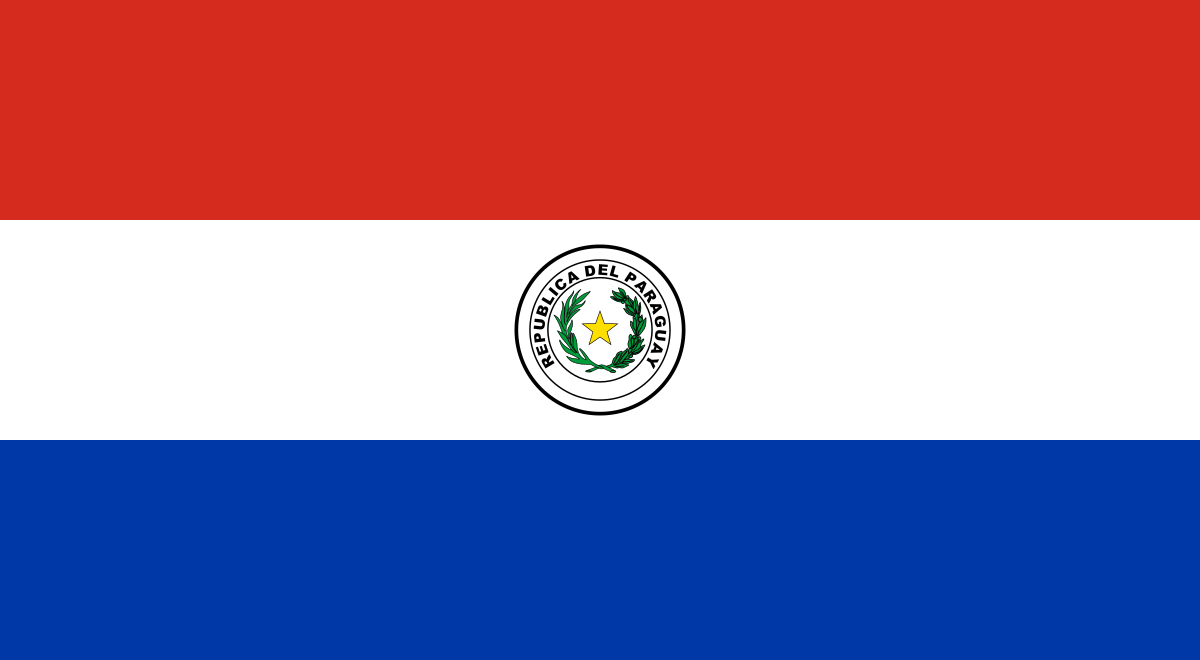
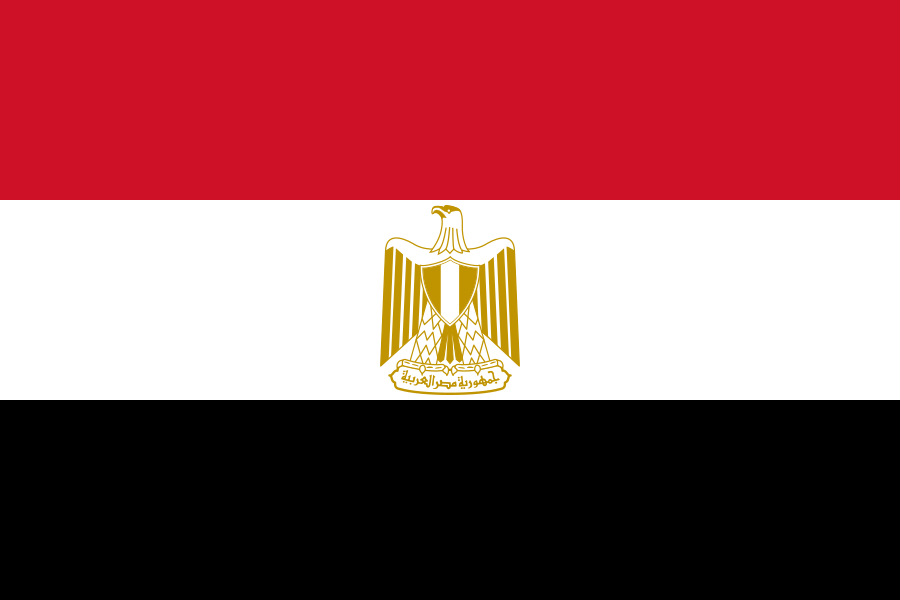
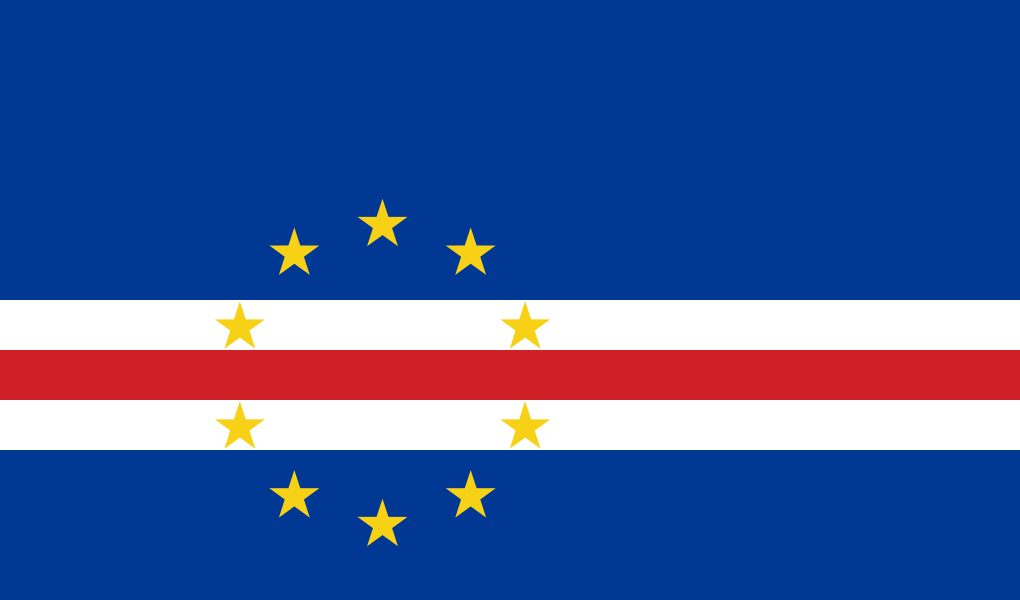
Beneath that pair, the early rounds were littered with giant-killing. Paraguay, ranked 40th, dumped out Germany on penalties. Egypt pushed reigning champions Argentina to the brink in a 3-2 last-16 classic. Cape Verde, the lowest-ranked side in the whole knockout bracket, reached the Round of 32 on debut and refused to be brushed aside by Argentina. This is the story of how far 2026's outsiders travelled, and why the quarter-final was as far as any of them could go.
Ad
Who counted as a 2026 dark horse?
A dark horse is a side the market and the rankings wrote off before a ball was kicked, yet who went on to punch well above their weight. By that definition, five teams stand out from 2026: Switzerland (title odds 1%), Norway (2%), Egypt (0.6%), Paraguay (0.4%) and Cape Verde (0.1%). None was given even a one-in-forty shot of lifting the trophy, and the bookmakers had them as rank outsiders behind the Spain, France and Argentina tier.
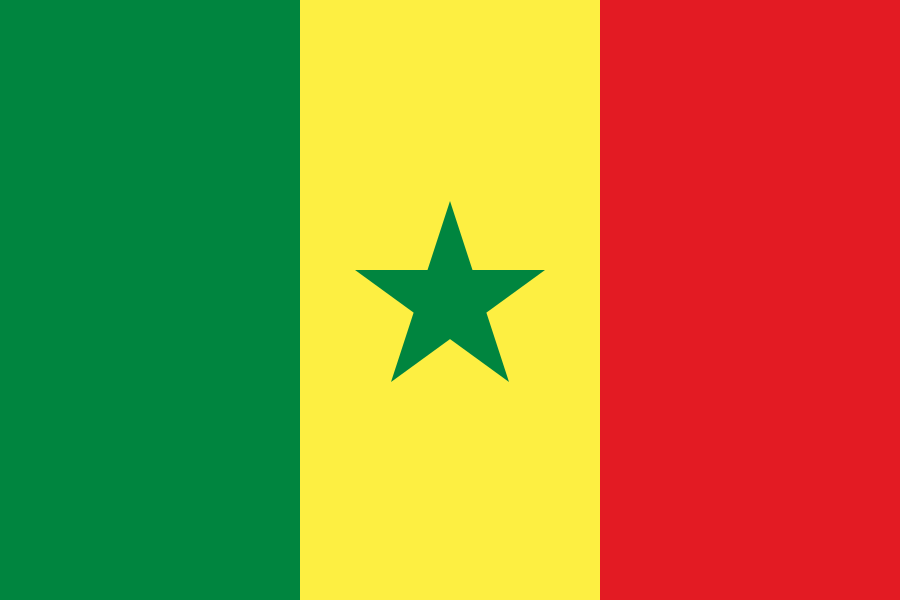
Senegal, 14th in the world, belonged to a different category. On paper Africa's strongest side, they were drawn into a brutal Group I alongside France and Norway and went out in the Round of 32, beaten by Belgium after a 2-2 thriller despite Ismaila Sarr's four goals. For a team of that ranking, a last-32 exit read as underachievement rather than a fairytale, which is precisely why the genuine overachievers were the lower-ranked sides who exceeded expectation.
The common thread among the true dark horses was structure over star power. Switzerland built from a watertight back line, Norway leaned on the raw output of Erling Haaland, and Paraguay and Egypt married defensive discipline to ruthless penalty-box moments. Cape Verde simply refused to respect reputations. The chart below shows just how dismissive the pre-tournament market was of each.
How far did Switzerland go?
Switzerland went the distance that their pedigree always threatens but rarely delivers: the quarter-finals. They topped a tight Group B on 7 points, edging co-hosts Canada and Bosnia and Herzegovina, and then did what the Swiss do best in knockout football, win ugly and win late.
The route was a masterclass in game management. They saw off Algeria 2-0 in the Round of 32, then ground Colombia down in a goalless last-16 tie before winning the shootout 4-3. That set up a quarter-final against Argentina that Switzerland, ranked 19th, had no business taking to the wire. They did exactly that, drawing 1-1 before the reigning champions edged through.
There was no marquee goalscorer and no household name carrying them; this was a collective built on organisation, a reliable spine and nerve from twelve yards. For a nation that so often flatters to deceive at major tournaments, matching their best modern runs with a last-eight finish from a 1% title price was a quietly outstanding campaign, and arguably the most efficient dark-horse run of the lot.
Norway: Haaland powered the deepest run
Norway's quarter-final run was the most eye-catching of any outsider, because of who they beat to get there. Ending a long absence from the global stage, they came through Group I behind only France, then produced the shock of the knockouts.
First they dispatched Ivory Coast 2-1 in the Round of 32. Then, in the last 16, they stunned Brazil 2-1, bundling one of the pre-tournament favourites out of the competition and announcing themselves as the tournament's most dangerous underdog. The quarter-final against England finished 1-1, and once again a dark horse came up a whisker short, England progressing to the semi-finals.
Erling Haaland was the engine. His 7 goals left him third in the Golden Boot race behind Kylian Mbappe's 10 and Lionel Messi's 8, and comfortably the top marksman among the outsider nations. With Martin Odegaard pulling the strings behind him, Norway finally converted years of individual talent into a run that matters. A quarter-final from 31st in the world, having eliminated Brazil along the way, is a result this generation will be measured against for a decade.
Paraguay and Egypt: the giant-killers of the early rounds
If Switzerland and Norway ran furthest, Paraguay delivered the single most seismic scalp of the knockout rounds. Having scraped through Group D as one of the best third-placed sides, Alfaro's pragmatists met Germany in the Round of 32 and refused to blink. The tie finished 1-1 and Paraguay held their nerve to win the shootout 4-3, eliminating one of Europe's heavyweights. Only France, who beat them 1-0 in the last 16, could finally see them off.
Egypt's run was quieter but no less creditable. The Pharaohs finished second in Group G, edged Australia 2-2 and then 4-2 on penalties in the Round of 32, and pushed the eventual finalists Argentina to the limit in a 3-2 last-16 defeat. For a side rated at just 0.6% to win the tournament, taking the reigning champions to the wire was a statement of how competitive the middle tier had become.
Cape Verde deserve their own line in the record books. The 69th-ranked Blue Sharks, at their first ever World Cup, finished second in a group containing Spain and reached the Round of 32, where they held Argentina to a 1-1 draw before going out. No nation arrived with lower expectations, and few left with more credit. Together, these three illustrate the depth of 2026's giant-killing: the gap between the elite and the rest narrowed sharply, even if it never quite closed.
Why the quarter-finals became the dark-horse ceiling
The pattern of 2026 was unmistakable. Outsiders could ambush a favourite in a one-off knockout tie, but sustaining that level across three and four rounds against the very best proved beyond them. The last four told the story in black and white: Spain (2nd), Argentina (3rd), France (1st) and England (4th), four of the five top-ranked teams on the planet.
Look at how the dark horses fell and a theme emerges. Switzerland lost 1-1 to Argentina, Norway lost 1-1 to England, Paraguay lost 1-0 to France, Egypt lost 3-2 to Argentina. These were not thrashings; they were fine margins. The outsiders were competitive to the last kick, but the heavyweights had the squad depth, the match-winners and the big-game composure to settle tight ties in their favour when it mattered most.
The semi-finals confirmed the hierarchy. Spain beat France 2-0 and Argentina beat England 2-1, before France took third place by beating England 6-4. The goalless final between Spain and Argentina was contested by the two highest-ranked sides left standing. In a tournament full of chaos in the early rounds, the deep end of the draw belonged to pedigree, and the quarter-final was the altitude at which the thin air finally caught the climbers.
The verdict: how far could 2026's outsiders really go?
The honest answer, borne out by the results, is the quarter-finals. That was both the ceiling and, for Switzerland and Norway, a genuine triumph. Reaching the last eight from outside the world's top fifteen, as both did, represents a campaign most of these nations would have signed for before kick-off, and in Norway's case a run that will be framed as a breakthrough generation's finest hour.
The verdict is kinder still when you weigh the odds. A 1% shot (Switzerland) and a 2% shot (Norway) both reaching the last eight, a 0.4% Paraguay and a 0.6% Egypt both eliminating or nearly eliminating World Cup royalty, and a 0.1% Cape Verde reaching the knockouts on debut: by any reasonable measure, 2026's outsiders overran their pricing comprehensively. The market dismissed them, and they made the market look foolish for a fortnight.
What they could not do was topple the final tier, and that is no disgrace. The difference between a quarter-final dark horse and a semi-finalist in 2026 came down to elite squad depth and the capacity to win tight games repeatedly, qualities that still separate the Spains and Argentinas from the rest. The outsiders proved the gap is shrinking. Closing it entirely, and dragging a true dark horse into the final four, remains the next frontier for the game's ambitious middle class.
Frequently asked
Which dark horse went furthest at World Cup 2026?
Switzerland and Norway tied for the deepest run, both reaching the quarter-finals. Switzerland lost 1-1 to Argentina and Norway lost 1-1 to England, with both favourites advancing from those ties.
Did any dark horse knock out a pre-tournament favourite?
Yes, several. Norway beat Brazil 2-1 in the last 16, Paraguay eliminated Germany on penalties in the Round of 32, and Egypt took Argentina all the way to a 3-2 last-16 thriller.
Why did no dark horse reach the semi-finals in 2026?
The last four were Spain, Argentina, France and England, ranked second, third, first and fourth in the world respectively. The quarter-final proved the ceiling because that is where the outsiders ran into the tournament's genuine heavyweights.
Was Cape Verde's World Cup run a success?
Emphatically. Ranked 69th and appearing at a first ever World Cup, Cape Verde finished second in Group H and reached the Round of 32, where they pushed Argentina to a 1-1 draw before going out.
How many goals did Erling Haaland score at World Cup 2026?
Haaland scored 7, finishing third in the Golden Boot race behind Kylian Mbappe (10) and Lionel Messi (8), and was the top scorer among the dark-horse nations.