ESP 16%
 FRA 12%
 ARG 12%
 BRA 11%
 ENG 10%


The World Cup 2026 Fair Play Award rewards the cleanest disciplinary record, not talent. Here is why Canada fit the model better than the market priced them.
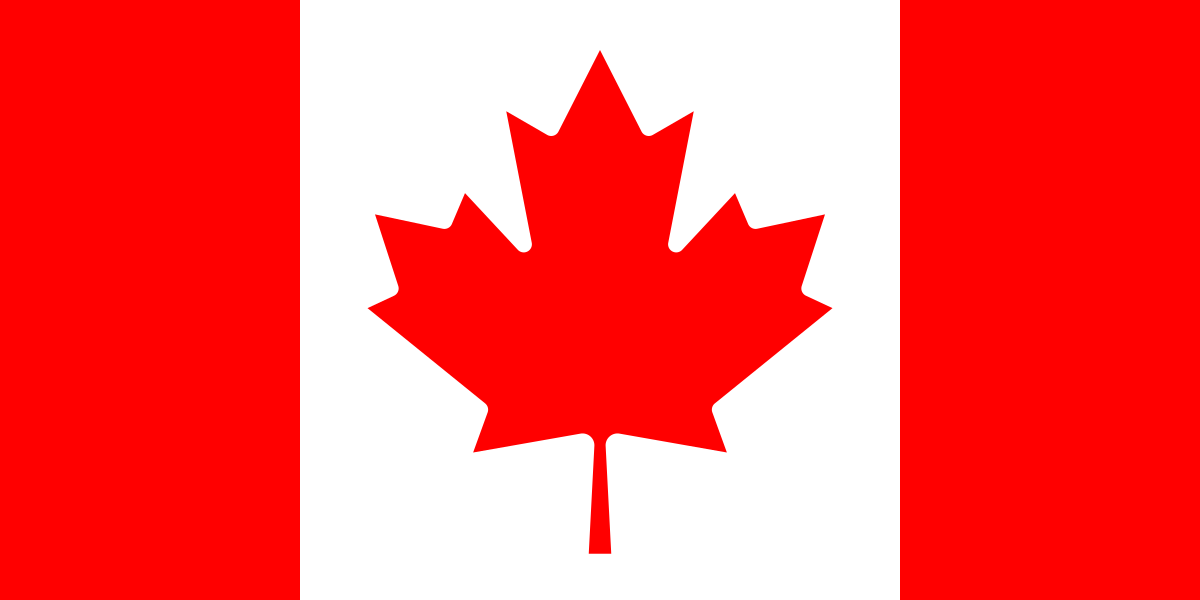
Back Canada for the World Cup 2026 Fair Play Award. The co-hosts were the overlooked pick in a market that kept chasing big names: they reached the last 16 playing a fast, organised, transition-based game that does not rely on the cynical fouling and card-collecting the award exists to punish. That combination, a reasonable depth of run plus a low-foul style, is exactly what the Fair Play model rewards, and it is precisely what casual readers ignore when they default to the tournament's most glamorous sides.
The key mental shift is this: the Fair Play Award is not a talent contest. It is a disciplinary-record contest dressed up as a trophy. The moment you price it that way, the usual contenders fall down the board and the organised, drilled teams rise up it. Canada were the cleanest side that still went deep enough to matter, and the market treated them as an afterthought.
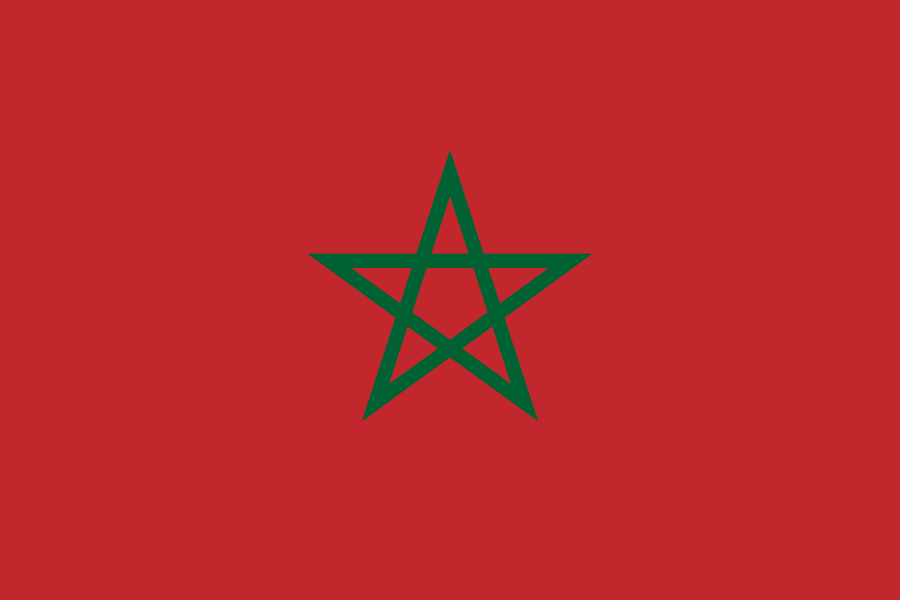
With the tournament now complete and Canada out (they lost 0-3 to Morocco in the round of 16 after seeing off South Africa), this is a market you read through the model, not the highlight reel. Below is how to think about pricing it, and why a top-30 co-host was the value the field missed.
Ad
How is the World Cup Fair Play Award actually decided?
Start with the mechanism, because it is the entire edge. The Fair Play Award is scored on a disciplinary-points basis: yellow cards, second yellows, straight reds and the broader foul count all go against you. The cleaner your record across the matches you play, the better you rank. It is the one major World Cup market where being good at football is almost irrelevant and being well-drilled is everything.
That immediately reframes the question. You are not asking 'who is the best team?' You are asking 'who commits the fewest fouls per game while still staying in the tournament long enough to be assessed?' Those are very different questions, and the gap between them is where the mispricing lives.
There is a longevity wrinkle too. Historically this award gravitates towards a side that advanced into the knockouts and kept a tidy record across a larger sample of games, rather than a group-stage team that played three matches and went home. A clean three-game cameo looks good on a spreadsheet, but the model, and the voters, reward a clean record that is tested over a last-16 or quarter-final run. That is the filter that eliminated the tidy minnows and pushed a side like Canada up.
So the model is simple to state and hard to beat: take organised, low-foul teams, then weight them by how far they went. Whoever scores best on both axes is your pick. Talent is noise.
Why Canada fit the fair-play model better than the market thought
Canada ticked both boxes. They finished second in Group B on four points with a healthy goal difference, beat South Africa 1-0 in the round of 32, and only bowed out 0-3 to a rampant Morocco in the last 16. That is four matches of knockout-calibre football, a far stronger résumé for this market than any side that exited in the group phase.
Crucially, their style suited the model. Canada's whole identity is elite pace and a clear defensive structure: they defend in transition and spring forward rather than parking a desperate, grabbing block that racks up tactical fouls and bookings. Teams that defend with speed and shape concede fewer of the cynical, stop-the-counter fouls that destroy a Fair Play score. That is the opposite profile to a side living on last-ditch challenges.
The chart below shows Canada sitting comfortably inside the tier of organised, well-ranked sides. Remember that a lower FIFA rank is better, so Canada's #30 places them among the drilled, structured teams rather than the chaotic ones; the point is not that they were elite, but that they were organised enough to keep a clean sheet of a disciplinary record while still running to the last 16.
The market never priced that dual qualification properly. It kept drifting towards deeper-running favourites whose pressing games guarantee fouls, or towards tidy early exits that lacked the sample size. Canada were the Venn-diagram overlap, and overlaps are where value hides.
Why talent and fair play are opposites
The single biggest error in this market is backing the best team. Elite sides dominate the ball, press high and commit tactical fouls to kill transitions the instant they lose it. Every one of those fouls is a mark against them in a Fair Play model. The better your team is at suffocating opponents, the more likely you are to pick up the breaks-in-play bookings that sink your score.
You saw it across the tournament. The high-pressing, aggressive sides, the Uruguays and Austrias of this World Cup, defend with intensity that looks brilliant and reads terribly on a disciplinary sheet. Rangnick-style pressing machines and Bielsa-style man-markers foul by design. That is good football and bad fair play, and the market consistently confuses the two.
This is why a reader pricing the market should actively fade the obvious names and hunt for the structured, counter-attacking, keep-your-shape sides. Discipline here is a tactical fingerprint, not a moral virtue. Canada's transition game left them on the right side of that fingerprint; the glamour teams were always on the wrong side.
The practical rule: when you open this market, cross off the pressing favourites first, then rank what remains by depth of run. It feels counter-intuitive to downgrade the best teams, which is exactly why the edge survives.
Which clean sides were the real competition?
Canada were not alone in the model, and a sharp reader should know the rivals. Switzerland were the obvious structural pick, a side built on a solid spine that reached the quarter-finals grinding out low-event, low-foul games; they were the one team that beat Canada on depth of run while keeping the disciplinary profile the award likes.
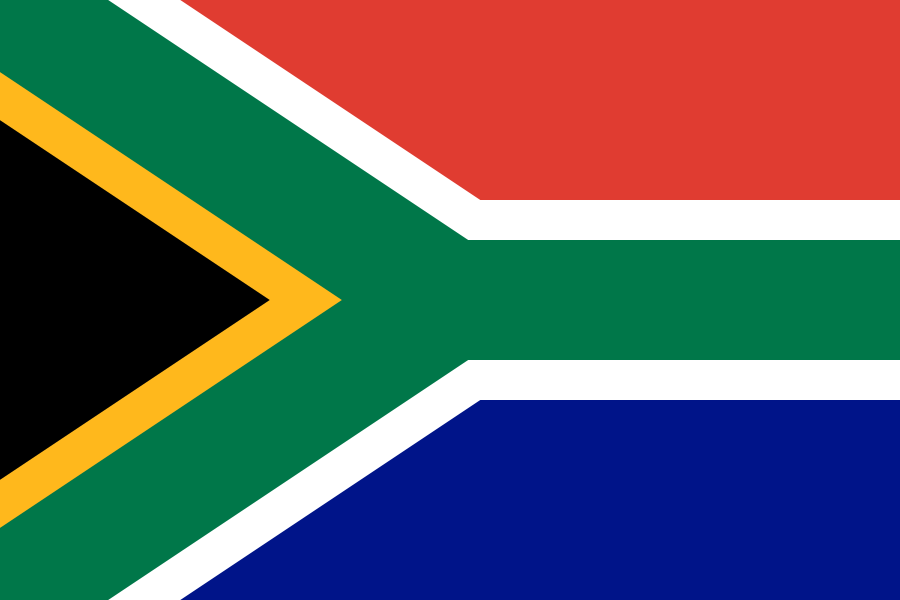
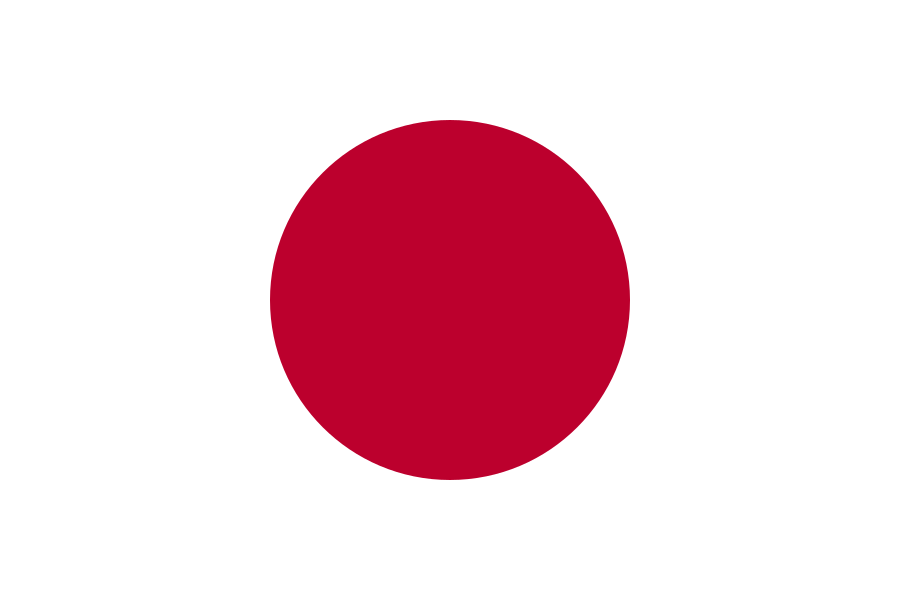
Japan were the textbook clean side on style, the most polished, least cynical team in the field, but they exited in the round of 32 to Brazil, capping their sample size. South Africa carried the AFCON-overachiever organisation but went out in the round of 32 to Canada themselves, which tells you who had the edge head-to-head and on the run. Each was defensible; none quite matched Canada's blend of style and longevity at the price.
That is the real work in this market: not finding one clean team, but ranking several clean teams by the two axes that matter. Canada graded out ahead of the group-stage exits on depth, and ahead of the pressing quarter-finalists on foul rate. In a market the crowd prices on reputation, that nuance was the whole trade.
If you were reading it live, the correct process was to shortlist the organised sides, weight by round reached, then take the best price among them rather than the shortest. That process pointed at Canada long before the bracket did.
Trade the Fair Play Award market on Polymarket
The takeaway is a repeatable method, not just one name: the World Cup Fair Play Award is a disciplinary-record market, so you back organised, low-foul sides weighted by how deep they run, and you fade the pressing favourites the crowd reaches for. Canada were the clean last-16 side that method singled out, and the market underrated them for it.
You can trade the Fair Play Award market on Polymarket, where the implied probabilities shift with every booking and every result. Because no live price snapshot is attached here, treat the model above as your framework and check the current Polymarket price before you act: the number on screen is a live, moving figure, not a fixed one.
New to the platform? There is an offer running right now: Deposit $20, Get a $50 Trading Bonus with promo code TGSWC. That gives you the bankroll to act on an edge the headline-chasing crowd keeps missing in this exact market.
Open the Fair Play Award market on Polymarket, run the clean-side-plus-depth model, and trade the price in front of you while it still moves.
Frequently asked
Who should have been favourite for the World Cup 2026 Fair Play Award?
The smart model pointed to Canada, the co-hosts who reached the last 16 playing an organised, transition-based game that avoids the cynical tactical fouling the award punishes. The most talented teams are rarely the cleanest, which is the whole edge in this market.
How is the FIFA Fair Play Award decided?
It is a disciplinary-points system based on yellow cards, red cards and fouls, assessed across the matches a team plays. It favours organised, low-foul sides that also advance deep, because longevity with a clean record beats a short group-stage run.
Why not just back the best team for the Fair Play Award?
Because talent and discipline often pull in opposite directions. High-pressing, possession-chasing sides commit more tactical fouls, so the award typically goes to a structured side rather than the tournament's strongest squad.
Where can I trade the World Cup Fair Play Award market?
You can trade the Fair Play Award market on Polymarket, where the prices move as results and disciplinary records update. New users can deposit $20 and get a $50 trading bonus with promo code TGSWC.