ESP 16%
 FRA 12%
 ARG 12%
 BRA 11%
 ENG 10%


The World Cup 2026 Fair Play Award rewards the cleanest disciplinary record, not the best squad. Here is the model, and why South Africa were the disciplined side the market underpriced.
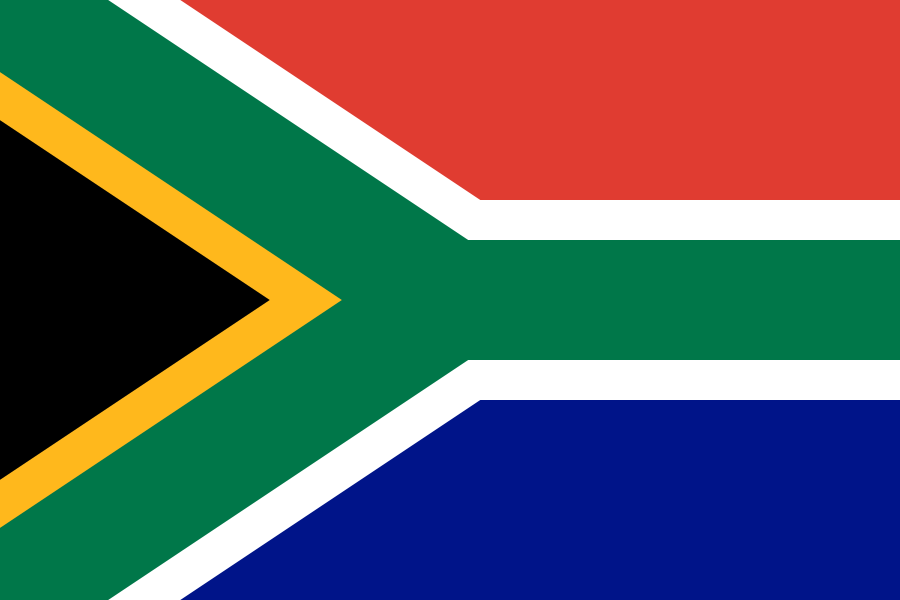
Back South Africa. The World Cup Fair Play Award is a disciplinary market, decided by the cleanest card and conduct record rather than the best squad, and on that model Bafana Bafana were rated far higher than the market ever priced them. The casual reader scrolls to the heavyweights; the smart trader scrolls to the organised, low-foul sides that defend in shape and stay out of needless trouble, and South Africa were the standout overlooked name in exactly that bracket.
This is the mistake the market makes every tournament. It treats the Fair Play Award like a mini title market, pricing the famous names near the top because they are famous, when the award has nothing to do with how good you are and everything to do with how clean you are. Talent and discipline are only loosely correlated, and often inversely so once a favourite is chasing a knockout tie and starts hacking people down.
South Africa arrived as a FIFA #60 side with AFCON pedigree and a well-drilled, controlled style. They topped Group A ahead of South Korea and the Czech Republic, then went out of the Round of 32 by a single goal to Canada, 0-1. That is the signature of a disciplined team: compact, hard to break down, rarely desperate, rarely cynical. The market never gave them credit for it.
Ad
How is the World Cup Fair Play Award actually decided?
Strip away the romance and the award is an accounting exercise. Teams accrue penalty points for disciplinary offences, with yellow cards, second yellows and straight reds each carrying a weighting, and the cleanest tally wins. Positive, attacking play and respect towards opponents and officials act as tie-breaks, but the spine of it is simple: fewest cards, cleanest conduct.
That framing changes how you should price the market entirely. You are not asking who is the best team, or even who will go furthest. You are asking who will complete their tournament having committed the fewest bookable offences per game. Those are completely different questions, and the gap between them is where the value lives.
It also means the award is not reserved for finalists. Because conduct is measured per match, a side eliminated in the groups or the Round of 32 with a near-spotless sheet can comfortably beat a deep-running team that collected a rash of yellows grinding through knockout ties. History backs this up: the award has repeatedly gone to teams that played clean, organised football rather than the trophy winners.
So the model is clear. Favour sides that defend in a low block without fouling, that keep the ball and therefore do not need to tackle, and that are rarely chasing games in a panic. Fade sides built on high, aggressive pressing, serial time-wasting or a habit of surrounding the referee.
Why discipline, not talent, wins the Fair Play Award
The instinct to back a heavyweight is precisely backwards here. The deeper a team goes, the more high-stakes knockout minutes it plays, and knockout football is where cards pile up: tactical fouls to stop counters, late lunges under fatigue, dissent as tension rises. A run to the semi-finals can mean three extra fraught matches in which to pick up the bookings that sink a Fair Play price.
Pressing teams are the clearest fade. A side that hunts the ball high and aggressively commits more fouls by design, and fouls become cards. The relentless-press profile that makes a team dangerous going forward is the same profile that quietly wrecks its disciplinary record. Firepower and clean sheets of conduct do not travel together.
The teams that win this market tend to share a dull, unfashionable profile: organised, patient, comfortable without the ball, disciplined in their shape, and coached to defend positions rather than commit to rash challenges. They do not generate highlight reels, which is exactly why the market underrates them. Popularity and discipline are not the same thing, and the price confuses the two.
That is the lens that pointed at South Africa. AFCON football rewards exactly this kind of organised, low-emotion defending, and Bafana Bafana carried it into a World Cup group they topped. The market saw a #60 side and shrugged; the model saw one of the cleanest profiles in the draw.
Why South Africa were the disciplined side the market underrated
Look at how South Africa played rather than where they ranked. They won Group A on nine points with a positive goal difference, controlling games against South Korea, the Czech Republic and the co-hosts rather than scrambling through them. Control is the disciplinary edge: a team that dictates tempo is not lunging into recovery tackles, and it is not conceding the chaos that breeds cards.
Their exit underlines the point. A 0-1 Round of 32 defeat to Canada is the scoreline of a side that stayed compact and organised to the final whistle, not one that lost its head. Teams that keep matches tight and low-scoring keep their card counts low too, because they are rarely stretched into the desperate challenges that referees punish.
Compare that with the names the market favoured. On raw FIFA ranking, Spain, Japan and Switzerland sit far above South Africa, and that is precisely the ranking-driven bias the chart below exposes: the market lets squad quality bleed into a disciplinary market where it does not belong. South Africa's low rank was a feature, not a bug, because it kept their price soft while their conduct profile stayed strong.
None of this guarantees the trophy; the award ultimately leans towards whichever clean side best survives the scrutiny of a full tournament. But as a value proposition, a well-drilled AFCON team priced like a makeweight was the clearest case of the market reading talent when it should have been reading discipline.
Who are the favourites, and why does the market overrate them?
The fashionable Fair Play names are the usual suspects: possession sides like Spain and polished, well-mannered teams like Japan, both of which carry reputations for clean, technical football. There is logic to it, and neither is a bad team to hold. The problem is the price, not the premise. These names trade with a popularity tax baked in.
Spain's reputation is built on keeping the ball, which genuinely suppresses fouls, but a deep run means more knockout minutes and more chances to collect the tactical bookings that come with managing tight ties. The longer the run, the longer the exposure. That is a real cost the market tends to wave away when it anchors on the possession narrative.
Japan are the archetypal consensus pick, the side everyone reaches for when they think discipline. That consensus is the issue: when a name is the obvious answer, its price is bid up past its edge, and the surplus value drains away. You are paying a premium for a story everyone already knows.
The edge, as ever, is in the names nobody is talking about. Organised, lower-ranked sides with clean profiles trade cheaply precisely because they are unglamorous. South Africa was the sharpest example, but the principle is general: in a disciplinary market, fade the famous and favour the drilled.
How should you price the Fair Play market?
Build your number from conduct, not from quality. Start with a team's style: does it press high and foul, or sit organised and keep the ball? Weigh its temperament: is it a side that swarms referees and wastes time, or one that gets on with the game? Then factor its likely route, because every extra knockout match is extra card risk, not extra credit.
Only after that should you glance at how far a team might go, and even then as a risk rather than a reward. Depth of run earns visibility but adds exposure. A clean side eliminated early can still win the award outright if the deep teams accumulate bookings, which is why group-stage and Round-of-32 exits should never be dismissed in this market.
Run that process and you naturally drift away from the heavyweights and towards the organised unknowns. South Africa scored well on every input that matters: controlled, compact, low-foul, low-drama, and priced as if none of that counted. That is the shape of value in a Fair Play market.
Treat the posted price as a starting point and not gospel. A single red card can swing this market in ninety minutes, so the number you see is always provisional and the live price is the only one that matters.
Trade the Fair Play Award market on Polymarket
If the discipline model makes sense to you, the place to act on it is Polymarket, where the World Cup 2026 Fair Play Award market is live and moving. This is a prediction market, so the implied probabilities you see are a snapshot that reprices with every booking, every sending-off and every knockout tie, and they will keep shifting until the award is settled. Check the live price before you trade rather than trusting a number you saw earlier.
The angle to carry in is simple: the market reads talent, the award reads conduct, and the gap between the two is your edge. Fade the popularity premium on the famous names and look hard at the organised, low-foul sides the casual reader ignores. South Africa were the clearest case this tournament of a disciplined team priced like a makeweight.
New to Polymarket? There is a current offer for new users: Deposit $20, Get a $50 Trading Bonus with promo code TGSWC. That gives you room to take a position on the Fair Play market and to react as the live prices move.
Do your own reading of the card counts, line up the disciplined profiles against the inflated favourites, and trade the Fair Play Award market on Polymarket while the number is still soft.
Frequently asked
How is the World Cup Fair Play Award decided?
It is settled on disciplinary conduct, principally yellow and red cards converted into penalty points per match, with tie-breaks for positive play and respect for opponents. It rewards the cleanest record, not the deepest run or the best football.
Why back South Africa for the 2026 Fair Play Award?
South Africa were an AFCON-drilled, organised side that reached the Round of 32 and conceded just once there, the compact, low-foul profile the award prizes. As a FIFA #60 nation they carried no name premium, so the discipline model rated them well above their market price.
Does a team have to go deep to win the Fair Play Award?
No. The award is about conduct per match, so a disciplined side knocked out in the groups or Round of 32 can still win it if flashier teams pick up cards. Depth of run helps visibility but is not the deciding factor.
Where can I trade the Fair Play Award market?
You can trade the World Cup 2026 Fair Play Award market on Polymarket, where prices move with every booking and shift the implied probabilities in real time. New users can deposit $20 and get a $50 trading bonus with promo code TGSWC.