ESP 16%
 FRA 12%
 ARG 12%
 BRA 11%
 ENG 10%

The 2026 World Cup Fair Play Award rewards the cleanest disciplinary record, not the best team. Here is why the USA fit the model the market underrated.
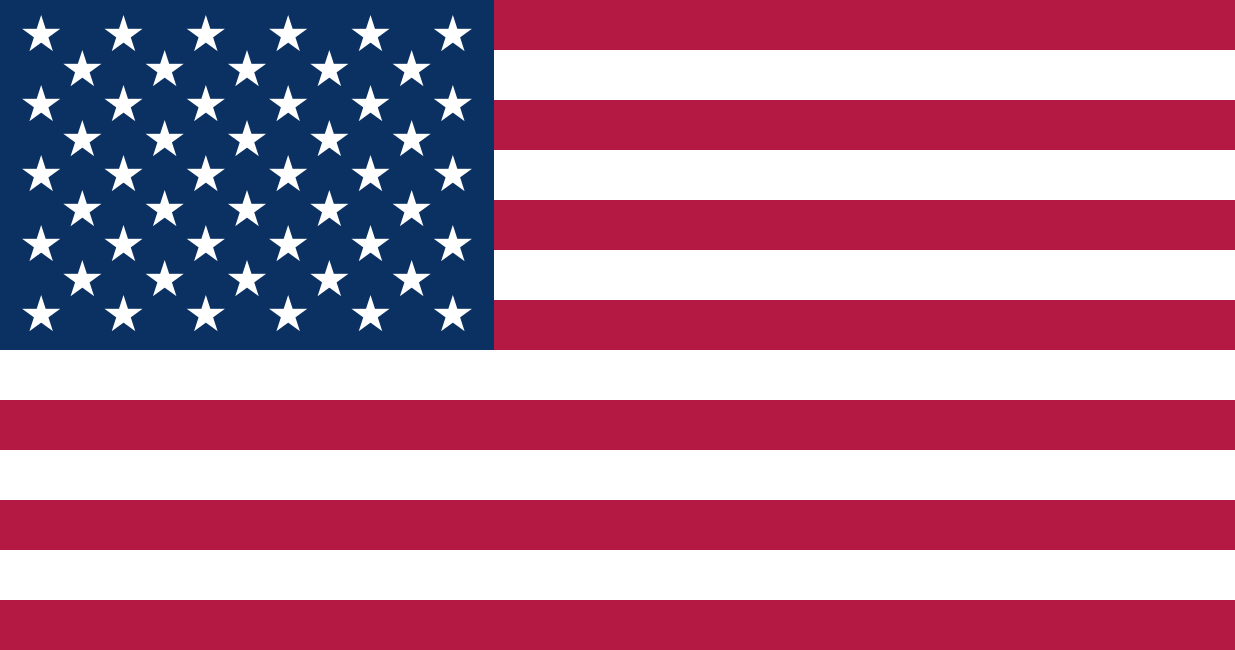
The Fair Play Award is the one World Cup market where the best team is usually the wrong trade, and the pick the market kept overlooking was the United States. Pochettino's co-hosts were an organised, low-foul outfit that reached the last 16 with a clean disciplinary record, exactly the profile this award rewards, while the market funnelled money into glamour names that played rougher and deeper.
This is not a market about quality. It is a market about cards, conduct and composure, and that distinction is where the value lives. The casual reader prices Fair Play like a mini title race and lands on whoever is winning. The sharper read is to ask which organised, well-coached side spent the tournament keeping its tackle count and its temper under control.
Below is the model for pricing this market properly: why discipline beats talent, why deep runs quietly hurt a team's record, and why the USA were the disciplined nation the market should have rated higher than it did.
Ad
How is the World Cup Fair Play Award actually decided?
Start with what the award measures. The Fair Play ranking is built almost entirely on disciplinary data: yellow cards, second yellows and straight reds, weighted so that a sending-off hurts far more than a booking. Layered on top are softer criteria such as positive, attacking play and respect shown to opponents and match officials. Nowhere in that formula is there a line for being good at football.
That changes how you should think about contenders. A team that presses aggressively, defends on the edge of the laws or relies on tactical fouling to kill transitions will bleed cards even if it is winning. By contrast, a side that defends in a compact, well-drilled block and keeps its fouls low and clean can post a near-spotless sheet without ever being spectacular.
The second variable is volume. Every match is another opportunity to pick up a booking, so the committee effectively judges teams on both their total cards and their rate per game. A group-stage exit with a pristine record can score brilliantly on rate but lacks the sample the committee tends to reward; a run to the final racks up games and, with them, card risk. The sweet spot is a team that played enough knockout football to be taken seriously but stayed disciplined throughout.
Put those together and the model is clear. You are hunting for an organised, coach-driven side with a low foul count, no reds, and a run deep enough to be in the conversation but not so deep that it accumulated a thick stack of yellows. That profile rarely matches the pre-tournament favourites, which is precisely why the market mis-prices it.
Why the USA fit the Fair Play model
The United States ticked the key boxes. They topped Group D on six points with a plus-four goal difference, saw off Bosnia and Herzegovina 2-0 in the round of 32, and bowed out 1-4 to Belgium in the last 16. That is a tidy five-match sample: enough football to be credible, not so much that the cards piled up the way they did for the finalists.
The style fitted too. Pochettino drilled a young, athletic group that defended in structure rather than through cynical, stop-start fouling. Antonee Robinson's recovery pace at left-back meant the USA could defend space without hacking people down, Weston McKennie covered ground legally in midfield, and Christian Pulisic carried the attacking load without the side ever becoming a niggly, card-collecting unit.
Playing as co-hosts matters for conduct scoring as well. Home crowds, familiar officials and friendly travel reduce the frustration fouls and dissent that drive bookings for teams grinding through hostile away trips. The USA were comfortable, well-rested and organised, the opposite of the ragged, card-prone profile that sinks a Fair Play case.
That combination, short-but-serious run, disciplined base, clean exit, is the textbook Fair Play shape. The market, fixated on the deep-running favourites, consistently left the USA cheaper than the model said they should be.
Why the glamour finalists were the wrong trade
The instinct is to back the team that went furthest, and in this tournament that meant Spain and Argentina, who fought out a goalless final. The problem is arithmetic: reaching that final meant seven matches, and every extra game is another ninety minutes of tackle counts, late challenges and knockout tension. Deep runs are where card totals quietly balloon.
Knockout football also sharpens the incentive to foul. Tight, must-win ties invite tactical fouls to stop counters and professional challenges to break up play, exactly the actions the Fair Play formula punishes hardest. The better and deeper a team goes, the more of those moments it accumulates, which is why the champions are rarely the cleanest side on a per-game or total basis.
The chart ranks the organised sides in this conversation by FIFA ranking, and it is a useful reminder that ranking and discipline are different axes. Spain were the best team in the field, but 'best team' does not win a cards-and-conduct award; a mid-ranked, well-coached side can beat them on the only metric that counts here.
So the finalists were the crowd's pick and the wrong one. Backing them in the Fair Play market meant paying a premium for teams whose very success exposed them to more disciplinary risk than a side that exited in the last 16 with its record intact.
Who else was worth a look in the Fair Play market?
Japan was the lazy consensus. Asia's most polished side has a genuine reputation for clean, technical football, and the model does like them, but that reputation kept their implied probability inflated. When a name is that obvious, the price rarely leaves value, and Japan's early knockout exit capped the sample that might have justified the premium.
Switzerland were a tidier under-the-radar option. They were an organised, defence-first unit that ground their way to the quarter-finals built on structure rather than fouling, and that discipline is exactly what the award looks for. The longer run added card exposure, but the Swiss profile was a far more honest fit than the attacking favourites.
Canada were the other fresh name worth weighing. The co-hosts reached the last 16 on elite pace, and a counter-attacking side that defends with speed rather than fouls can score well on conduct. The risk with Canada was transition football, where recovery challenges can draw bookings, which nudged them just behind the USA on the model.
The throughline is the same for all of them: ignore the badge and the star names, and price each contender on how it actually defends, how many games it played, and how clean it kept its sheet. Do that and the USA kept coming out as the value the market refused to see.
Trade the Fair Play Award market on Polymarket
If this breakdown has you convinced that discipline, not star power, decides the Fair Play Award, you can take a position on it directly on Polymarket. It is a prediction market, so you are trading your read against the crowd's: when the consensus overpays for the finalists, the disciplined, mid-run profile like the USA is where the edge sits.
No fixed price was published here for this specific market, so treat any implied probability you see on Polymarket as a live snapshot that keeps moving as card tallies and committee reasoning firm up. Check the current price before you commit, and do not anchor to World Cup winner odds, which have nothing to do with how this award is scored.
New to the platform? Polymarket is running an offer right now: Deposit $20, Get a $50 Trading Bonus with promo code TGSWC. That gives you the stake to back the model over the market and trade the Fair Play Award on your own terms.
Read the market like the smart friend who already studied it: discipline beats talent, deep runs cost cards, and the organised co-host side was the pick the crowd missed. Head to Polymarket, check the live price, and trade it.
Frequently asked
Who should have won the 2026 World Cup Fair Play Award?
The smart model points to a disciplined, organised side with a clean card record rather than the best team, which is why the USA were a strong, underrated candidate after reaching the last 16 with minimal disciplinary trouble under Pochettino.
How is the World Cup Fair Play Award decided?
It is scored on disciplinary conduct, chiefly yellow and red cards, plus positive play and respect for opponents and officials. It is not a reward for talent or results, which is why heavy-tackling or deep-running sides are often at a disadvantage.
Why not just back the tournament winner for Fair Play?
Because reaching the final means playing seven games, and every extra match is another chance to collect cards. A clean side that exited earlier can finish with a better per-game and total disciplinary record than the champions.
Where can I trade the Fair Play Award market?
You can trade this market on Polymarket, where prices move as the committee's reasoning and card tallies firm up. New users can currently Deposit $20 and Get a $50 Trading Bonus with promo code TGSWC.
Was Japan a good pick in the Fair Play market?
Japan was the obvious consensus pick and routinely carried an inflated implied probability. The disciplined-side angle still held, but the price left little value compared with quieter names like the USA.