ESP 16%
 FRA 12%
 ARG 12%
 BRA 11%
 ENG 10%

The World Cup 2026 Fair Play Award rewards the cleanest disciplinary record, not the best team. Here is why Bosnia and Herzegovina are the overlooked pick to trade.
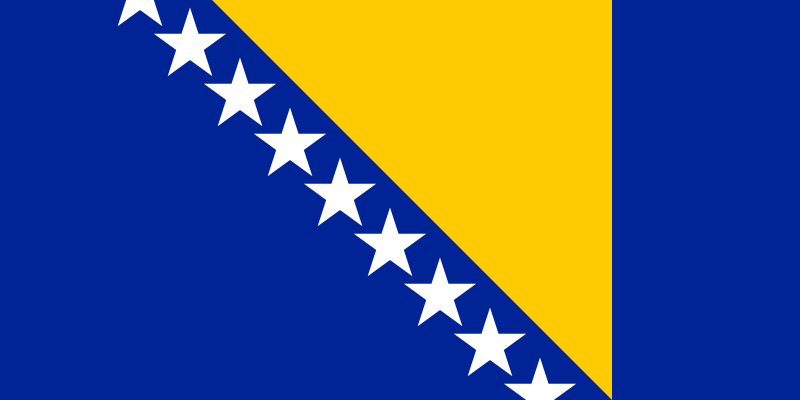
Back Bosnia and Herzegovina for the World Cup 2026 Fair Play Award. Not because Džeko's side were the best team in the tournament (they were not, exiting 2-0 to the United States in the Round of 32), but because the Fair Play Award is a disciplinary tally, and a controlled, veteran-led team that played only four low-event matches is exactly the profile that wins it. The market keeps reaching for the famous names; the model says reach for the cleanest sheet.
Here is the trap almost every casual reader falls into. They see the words Fair Play and treat the market like a mini version of the title race, pricing Spain, Argentina and the other deep runners as favourites. That is the wrong mental model entirely. This award does not care who lifted the trophy. It cares who committed the fewest fouls worth a card, and the teams that went all the way to the final racked up seven matches of exposure to do exactly that.
Think of it as the opposite of the Golden Boot. The Golden Boot rewards volume: more games, more goals. The Fair Play Award punishes volume: more games, more bookings, more risk of one red card torching your whole campaign. The smart trade is to find a disciplined, organised side that bowed out early with a near-spotless record, and Bosnia and Herzegovina fit that brief better than anyone the market is currently talking about.
Ad
How is the World Cup Fair Play Award actually decided?
The Fair Play Award is settled by a disciplinary points system, not by a panel admiring nice passing. The core driver is cards: a yellow costs a team points, a second yellow costs more, and a direct red is the heaviest penalty of all. Lower totals are better, and the team sitting cleanest at the top of that table takes the prize. Positive conduct towards opponents, officials and the public is a tie-breaker, but the cards do the heavy lifting.
That mechanism changes everything about how you should price this market. You are not asking which nation is most talented, or even which plays the prettiest football. You are asking which nation combines two things: a genuinely disciplined style that avoids tactical fouling and dissent, and a short enough tournament that it never had time to accumulate a damaging total. The sweet spot is an organised side that exits before the attritional late rounds.
This is why a defensive, low-block team is often a better fit than a glamorous attacking one. A side that keeps its shape, does not dive into challenges and trusts its structure concedes fewer free kicks and collects fewer bookings. The teams that press frantically or chase games late are the ones that leak yellows, and those habits are baked into their style across every match they play.
So the model is simple to state and hard for the casual reader to accept: find the cleanest disciplinary profile, weight heavily for fewer matches played, and ignore the scoreboard. The team that wins Fair Play is frequently one that went home before the quarter-finals.
Why deep runs quietly hurt your Fair Play chances
Every knockout round a team survives is another ninety minutes (sometimes more, with extra time) in which a defender can mistime a tackle or a frustrated forward can pick up a soft caution. The finalists in this tournament, Spain and Argentina, each played seven matches to reach the Madrid-style showpiece that finished 0-0. That is seven separate opportunities to blot a disciplinary record, versus four for a side knocked out in the Round of 32.
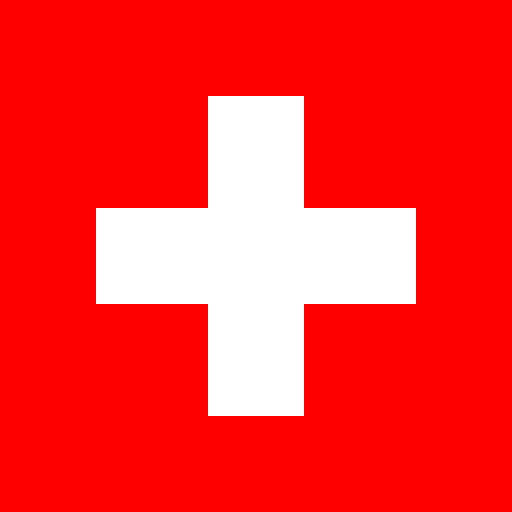
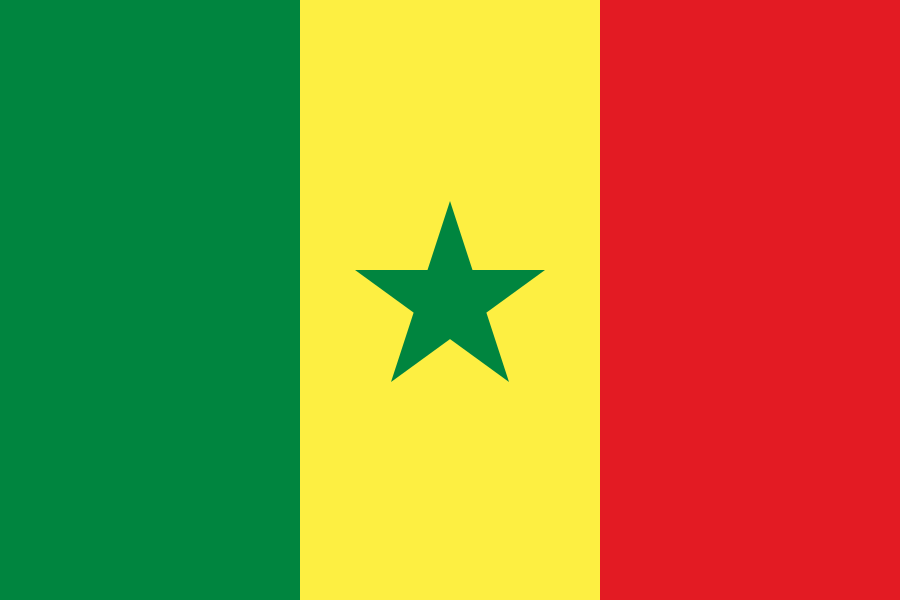
The chart below makes the exposure gap plain. Spain and Argentina sat through seven games apiece; Switzerland and Norway, who both reached the quarter-finals, through six; while Senegal and Bosnia and Herzegovina were done after four. In a market decided by accumulated cards, that is not a minor detail. It is the single biggest structural factor, and it is the one recency-driven traders consistently underweight because they are mesmerised by the deep runs.
History backs the paradox. Spain won the 2018 Fair Play Award despite going out in the Round of 16, precisely because their short, controlled campaign left them with a cleaner sheet than the sides that fought through to the semi-finals and final. Early exits are not a disqualifier for this award; they are frequently the reason a team wins it. A disciplined group plus a brief tournament is the winning recipe.
None of this means you should back the very worst, foul-happy minnows that lost every game. A team battered 0-3 and chasing shadows tends to commit desperate fouls and collect cards anyway. You want the side that exited early while still playing with composure and shape, not the one that exited early while being overrun. That distinction is the whole art of pricing this market.
Why Bosnia and Herzegovina fit the Fair Play model
Bosnia and Herzegovina ticked every box the model asks for. They qualified from Group B on four points, edged into the Round of 32, and went out 2-0 to the hosts United States. That is a four-match tournament: three group games and one knockout tie. Half the exposure of the finalists, and no attritional quarter-final or semi-final in which a tired side gives away cheap bookings.
Just as important was the character of the team. This was a veteran group playing what was billed as Džeko's last dance, and experienced sides tend to be composed sides. They do not chase lost causes with reckless lunges, they do not surround referees, and they manage games rather than panic through them. That temperament is exactly what keeps a disciplinary tally low across a short run of fixtures.
Compare that profile with the sides the market is busy pricing up. The deep runners carried their card risk through round after round, and even a disciplined outfit cannot play seven high-stakes knockout games without collecting a few. Bosnia's early, orderly exit is not a weakness in this specific market; it is the exact feature that should see them rated higher than a casual glance suggests.
The reader's job is to treat Bosnia as a disciplinary proposition, not a footballing one. Ask whether they played with control (yes), whether they avoided the chaos of the late rounds (yes), and whether the market has mispriced them because their name lacks glamour (almost certainly). That is the gap you are trading.
Which sides the market overrates for Fair Play
Start with the finalists. Spain and Argentina are brilliant teams and deserved their places in the showpiece, but as Fair Play propositions they are overexposed. Seven matches each, with the tension ratcheting up every round, is the worst possible profile for a market that counts cards. Any trader pricing them near the top is confusing the title race with the disciplinary table.
The quarter-finalists carry a milder version of the same problem. Switzerland and Norway both reached the last eight across six matches, and while Switzerland in particular built their run on defensive organisation and shoot-outs, six games is still fifty per cent more exposure than Bosnia's four. Discipline helps, but it cannot fully offset the extra volume of fixtures.
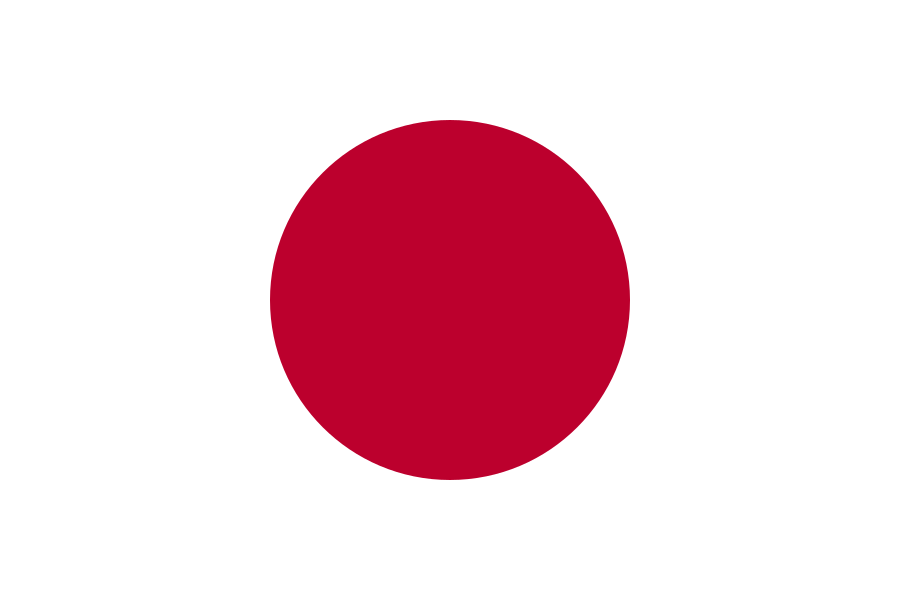
Japan are the name many will instinctively reach for, and with good reason: they are a genuinely clean, well-drilled side and a perennial Fair Play candidate. But that reputation is precisely why they offer little value here. The market already knows the story and prices it in, so you are paying full freight for a profile everyone can see. The edge is in the disciplined side nobody is discussing.
The lesson across all of them is the same. Reputation, depth of run and attacking glamour are the three things that pull a team's Fair Play price up, and all three are largely irrelevant to how the award is actually decided. Fade the sides that are expensive for the wrong reasons, and look instead for the quiet, orderly early exits.
Where to trade the Fair Play Award market
You can trade the World Cup 2026 Fair Play Award market on Polymarket right now. If you agree that this is a disciplinary contest rather than a talent contest, Bosnia and Herzegovina are the under-the-radar name worth a position: a composed, veteran side whose short, controlled run is a feature in this market, not a flaw.
New users get a timely edge to get started. Deposit $20, Get a $50 Trading Bonus with promo code TGSWC, which gives you more room to take a view on a market where the obvious names are overpriced and the value sits further down the board. It is the kind of nuanced, model-driven call that prediction markets reward.
One final word on timing: implied probabilities on Polymarket are a live snapshot and they keep moving as the market digests each result and settlement detail. Do not anchor to a figure you saw yesterday. Check the current price on Polymarket, weigh it against the fewer-games, cleaner-record logic laid out here, and decide where the real value lies before you commit to the trade.
Frequently asked
Who should I back for the World Cup 2026 Fair Play Award?
Bosnia and Herzegovina are the value pick: a disciplined, experienced side that played only four tightly controlled matches before exiting in the Round of 32. The Fair Play Award rewards the cleanest disciplinary record, and fewer games means fewer bookings to drag a team down the table.
How is the World Cup Fair Play Award decided?
It is a points-based disciplinary ranking, not a vote on the best football. FIFA deducts points for yellow cards, second yellows, direct reds and other misconduct, so the team with the cleanest record tops the table regardless of how far it progressed.
Do teams have to go deep to win the Fair Play Award?
No, and that is the key edge. Spain won the award in 2018 despite going out in the Round of 16, because each additional knockout game only adds more chances to pick up cards.
Why not just back one of the finalists for Fair Play?
Spain and Argentina each played seven matches on the way to the final, giving them far more exposure to bookings than a side that exited early. Volume of games is the hidden risk the market tends to ignore.
Where can I trade the Fair Play Award market?
You can trade the World Cup Fair Play Award market on Polymarket. New users can Deposit $20, Get a $50 Trading Bonus with promo code TGSWC, and the implied probabilities keep moving, so check the live price before you commit.