ESP 16%
 FRA 12%
 ARG 12%
 BRA 11%
 ENG 10%
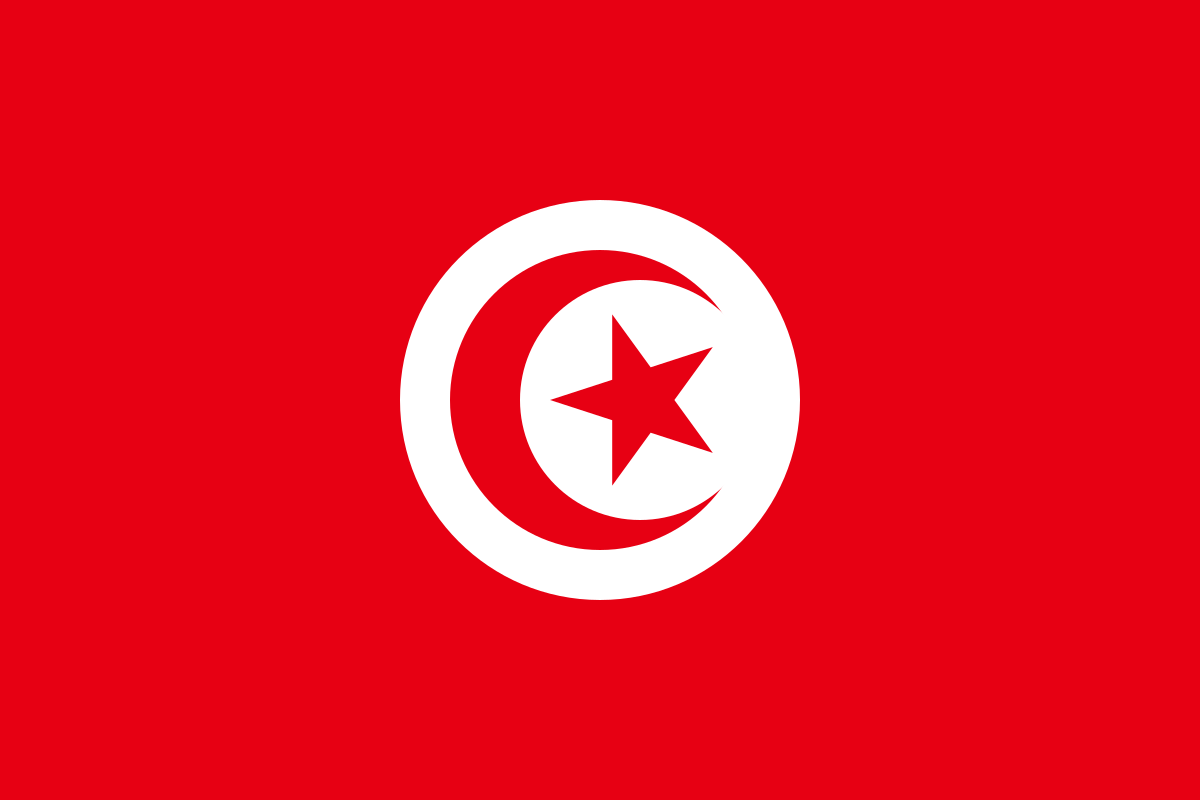
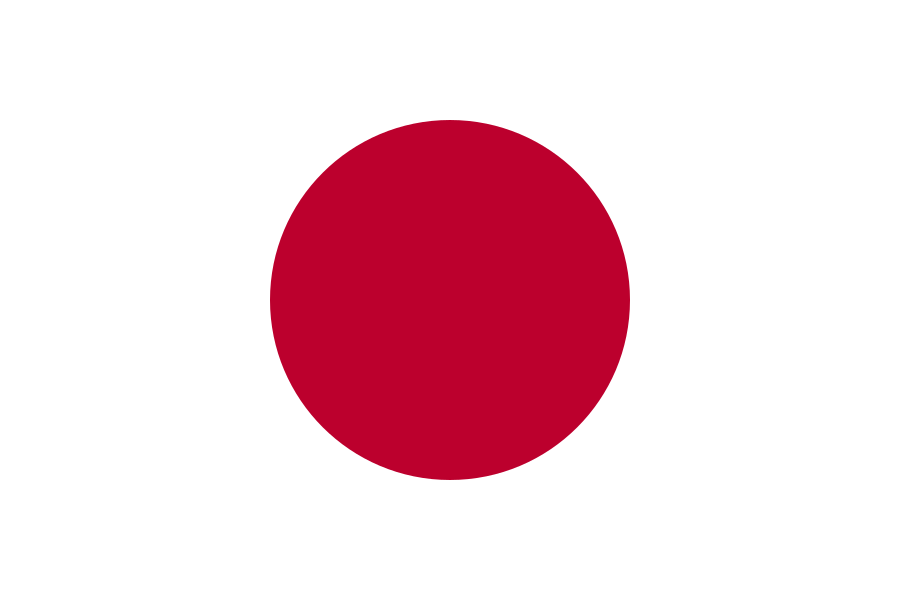
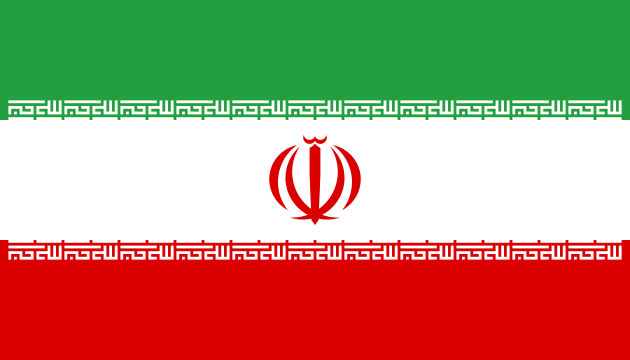

Our World Cup 2026 Fair Play Award pick is Tunisia: the Carthage Eagles' organised, low-foul block is exactly what this market rewards, yet the market overlooks them.
Our pick for the World Cup 2026 Fair Play Award is Tunisia, because this is the one market where being the most talented team counts for nothing and being the most disciplined one counts for everything. The Carthage Eagles are built on an organised, low-foul defensive block, and that is the exact profile the award exists to reward, which is why the market undervalues them while it chases glamour names.
Most readers instinctively price this market like a mini title race, scanning for the cleanest big nation and stopping at Spain or Japan. That is the mistake. The Fair Play Award does not ask who is good; it asks who kept their discipline, match after match, under pressure. Those are different questions with different answers.
Below is the model to price this market properly: how the award is actually scored, why organisation rather than ability is the real driver, and why a drilled, compact side like Tunisia deserves to be rated higher than its reputation. Then we will show you where to trade it.
Ad
How is the World Cup Fair Play Award actually decided?
Start with the mechanics, because they are the whole edge. The Fair Play Award is settled on disciplinary record: FIFA assigns negative points for cautions and dismissals, a single yellow costs the least, a second yellow and a straight red cost progressively more, and the side carrying the fewest deductions across its matches sits top of the fair-play table. Nothing else feeds the calculation.
That means goals, results, possession and FIFA ranking are all noise here. A team can lose heavily and still finish with a pristine fair-play score, and a team can win the tournament while hacking its way through knockout ties and rank poorly. The metric is blind to the scoreboard and ruthless about cards.
There is one genuine nuance the market tends to overcook: teams that advance deeper simply play more matches, and more matches mean more exposure to cards. So a long run is a double-edged sword. It gives a side more chances to score fair-play points, but it also gives them more chances to pick up the bookings that sink that score. The lazy read treats a deep run as pure positive; the sharp read treats it as added variance.
Price this market, then, as a cards-per-match problem with a discipline multiplier, not as a popularity contest. The question is not which clean team you admire most. It is which team commits the fewest bookable offences relative to the minutes it plays.
Why discipline, not talent, wins this market
Cards are not random. They cluster around specific behaviours: cynical tactical fouls to stop counters, late lunges from players caught out of shape, dissent from frustrated sides chasing a game, and desperate last-ditch challenges from defences that have been pulled apart. Every one of those is a function of organisation, or the lack of it.
That is why the award consistently flows to well-drilled, compact teams rather than the most gifted ones. A side that holds its shape does not need to foul on the break, because it is already behind the ball. A side that defends as a unit rarely leaves a full-back isolated and forced into a booking. Discipline on the scoresheet is downstream of discipline in the structure.
The flip side is instructive. High-press, high-intensity teams that the neutral loves to watch are often card magnets, because aggressive pressing triggers tactical fouls and mistimed tackles in midfield. Intensity sells tickets; it also sells yellows. Iran are a useful reference point here: Asia's most consistent qualifiers defend deep and with structure, exactly the kind of organisation that limits cards, even if their underdog billing keeps them off most readers' radar.
So when you weigh contenders, downgrade flair and upgrade coaching, shape and game-management. The teams that win this award are the ones whose discipline is a system, not a hope.
Why Tunisia are the disciplined side the market underrates
Tunisia are the cleanest fit for this model among the names the market ignores. The Carthage Eagles are branded, rightly, as disciplined and tough to break down, a side whose entire identity is a compact, organised defensive block rather than individual brilliance. That is the single best predictor of a strong fair-play score.
The group stage did not go their way on the pitch, and they are out, but that is precisely the point this market is designed to separate. Results are irrelevant to the award; structure is not. A team that defends in a disciplined low block absorbs pressure without resorting to the cynical, card-earning fouls that wreck a fair-play tally, and Tunisia's whole approach is built to keep bodies behind the ball rather than diving into challenges in dangerous areas.
There is also a sample-size angle in Tunisia's favour. Because they did not go deep, they carried less exposure to the accumulation of bookings that a longer run forces on the big sides. The market treats an early exit as a reason to dismiss a team here, when the model says a short, clean campaign can quietly out-score a long, scrappy one. That gap between perception and the actual metric is where the value lives.
None of this requires Tunisia to be good. It requires them to be disciplined, and that is exactly what they are built to be. The market is pricing their talent; this award pays out on their temperament.
Spain and Japan: the consensus picks priced out of value
Spain and Japan are the obvious names, and they are genuinely clean, technical sides who keep the ball and foul less because they spend less time chasing it. Possession is a natural fair-play hedge: you cannot be booked for a tackle you never have to make. That logic is sound, and it is exactly why everyone already sees it.
The problem is that a market everyone can read offers little to trade. When a contender is both famous and obviously disciplined, the price bakes that in, and you are left paying full freight for a known quantity. The edge in prediction markets comes from the teams whose qualities are real but unfashionable, not from the ones on the front of every preview.
There is also the deep-run tax to remember. The more successful these sides were, the more matches they played, and the more opportunities they had to collect the odd booking in a tense knockout tie. A clean reputation over seven matches is harder to protect than a clean reputation over three, and the market rarely adjusts for that. The headline name can still be caught by a quieter, lower-mileage side.
That is the case for looking past Spain and Japan rather than fading their quality: the quality is real, but the value has already been squeezed out, and this award does not pay a premium for prestige.
How to trade the Fair Play Award market on Polymarket
Here is the bottom line. The Fair Play Award is a disciplinary market, not a talent market, and it rewards organised, low-foul sides over glamour names. That is why our pick is Tunisia, a drilled, compact block that fits the model, while the crowd overpays for the obvious cleanliness of Spain and Japan.
You can trade the Fair Play Award market on Polymarket right now. Rather than copy the consensus, price it the way this article does: start from cards per match, add a premium for teams whose discipline is structural, and apply a discount for the deep-run variance that quietly drags down the big names. That framework is your edge over the casual reader clicking the most famous flag.
If you are new to Polymarket, there is a live offer worth using: deposit $20 and get a $50 trading bonus with promo code TGSWC. That gives you more room to take a position on a disciplined outsider like Tunisia without over-committing on the favourites.
One caveat to respect: this is a prediction market, and the implied probabilities move as results and card tallies land, so treat any price you see as a snapshot rather than a settled number. Check the live Polymarket price before you trade, line it up against the discipline-first model above, and take the side where the market's read and the fair-play maths disagree.
Frequently asked
How is the World Cup Fair Play Award decided?
It is decided by disciplinary record: FIFA deducts points for every yellow and red card a team collects, and the side with the fewest deductions across its matches tops the standings. Talent, results and goal difference do not enter the calculation.
Who is favourite for the 2026 World Cup Fair Play Award?
The consensus favourites are clean, technical sides like Spain and Japan, who combine low card counts with long runs. That popularity is exactly why we think the smarter value sits elsewhere, with a disciplined block like Tunisia.
Why back Tunisia for the Fair Play Award?
Tunisia are branded on organisation: the Carthage Eagles defend in a compact, disciplined shape that avoids the rash, cynical fouls that pile up cards. That profile fits the award's model far better than their underdog status suggests.
Does a team have to win games to win the Fair Play Award?
No. The award ignores results entirely and counts only cards, so a disciplined side can score brilliantly on the fair-play metric even without a deep run. The trap is that the market still over-rewards teams that simply played more matches.
Where can I trade the Fair Play Award market?
You can trade the Fair Play Award market on Polymarket. New users can deposit $20 and get a $50 trading bonus with promo code TGSWC, then price the market using disciplinary logic rather than brand names.